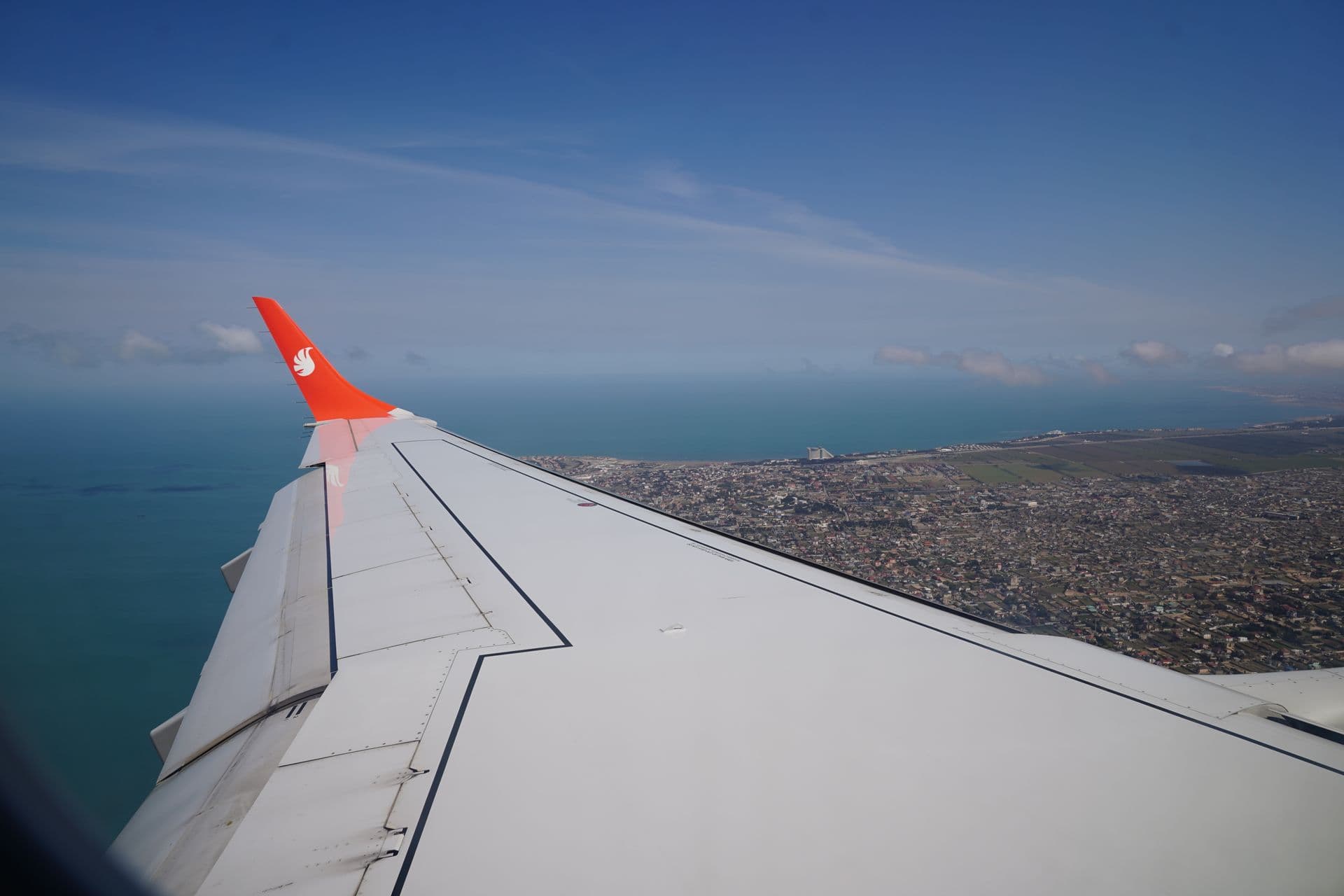
Pula Airport (PUY) · Valtura, fifteen minutes from the arena
Rent a car at Pula Airport
Aucuns frais cachésSans cautionAnnulation gratuite
35 voitures en direct at Pula Airport maintenantà partir de 23 €/jourcautions affichées avant paiement
Pula Airport (PUY) · Valtura, fifteen minutes from the arena
35 voitures en direct at Pula Airport maintenantà partir de 23 €/jourcautions affichées avant paiement
Voitures sélectionnées
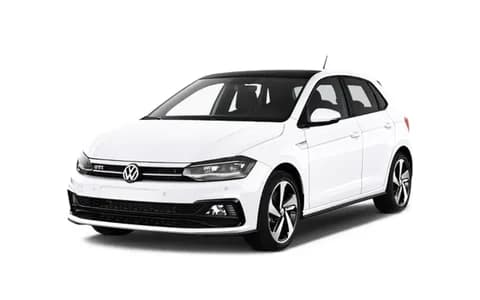
Volkswagen Polo
5 placesManual2022
à partir de 23 €/jourla moins chère de sa catégorie aujourd'hui
Vérifier la disponibilité →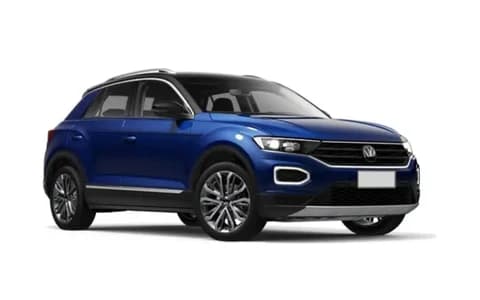
Volkswagen T-Roc
5 placesManual2022
à partir de 27 €/jourla moins chère de sa catégorie aujourd'hui
Vérifier la disponibilité →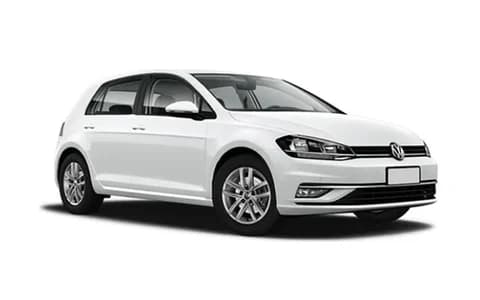
Volkswagen Golf
5 placesAutomatic2022
à partir de 27 €/jourla moins chère de sa catégorie aujourd'hui
Vérifier la disponibilité →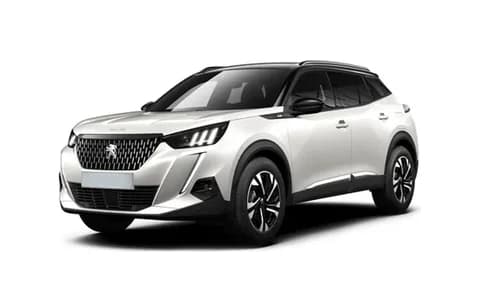
Peugeot 2008
5 placesAutomatic2022
à partir de 27 €/jourla moins chère de sa catégorie aujourd'hui
Vérifier la disponibilité →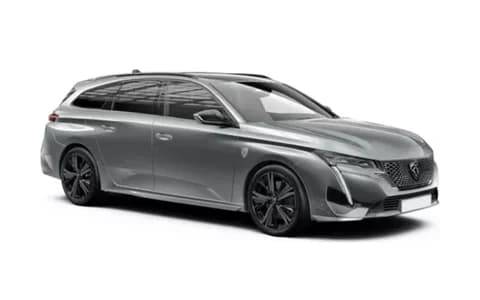
Peugeot 308 SW
5 placesAutomatic2022
à partir de 49 €/jourla moins chère de sa catégorie aujourd'hui
Vérifier la disponibilité →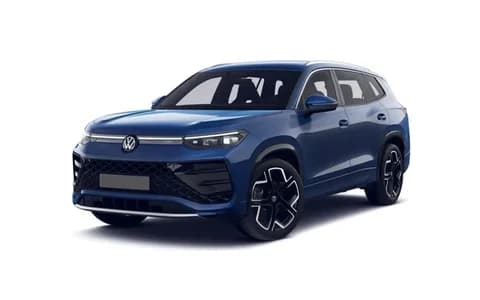
Volkswagen Tayron
7 placesAutomatic2025
à partir de 52 €/jourla moins chère de sa catégorie aujourd'hui
Vérifier la disponibilité →Une voiture sélectionnée dans chaque catégorie que nous proposons, pas notre flotte complète. Les prix en direct se rafraîchissent au fil de la journée et évoluent avec la saison. Votre voiture exacte et le total s'affichent à l'étape suivante.
Faites glisser pour plus de voitures →Sur le terrain
Pula Airport is the door to the one corner of Croatia that a car changes completely. Istria is a compact peninsula of hill towns, fishing harbours and vineyards, and almost none of it is reachable on a bus timetable that suits a holiday. The terminal sits at Valtura, about eight kilometres from Pula itself, which is close enough that the drive into town is over before the air conditioning has properly started. Suppliers meet arrivals with a name board and the car park is a walk from the door, so the handover is a short, informal business rather than a queue at a counter.
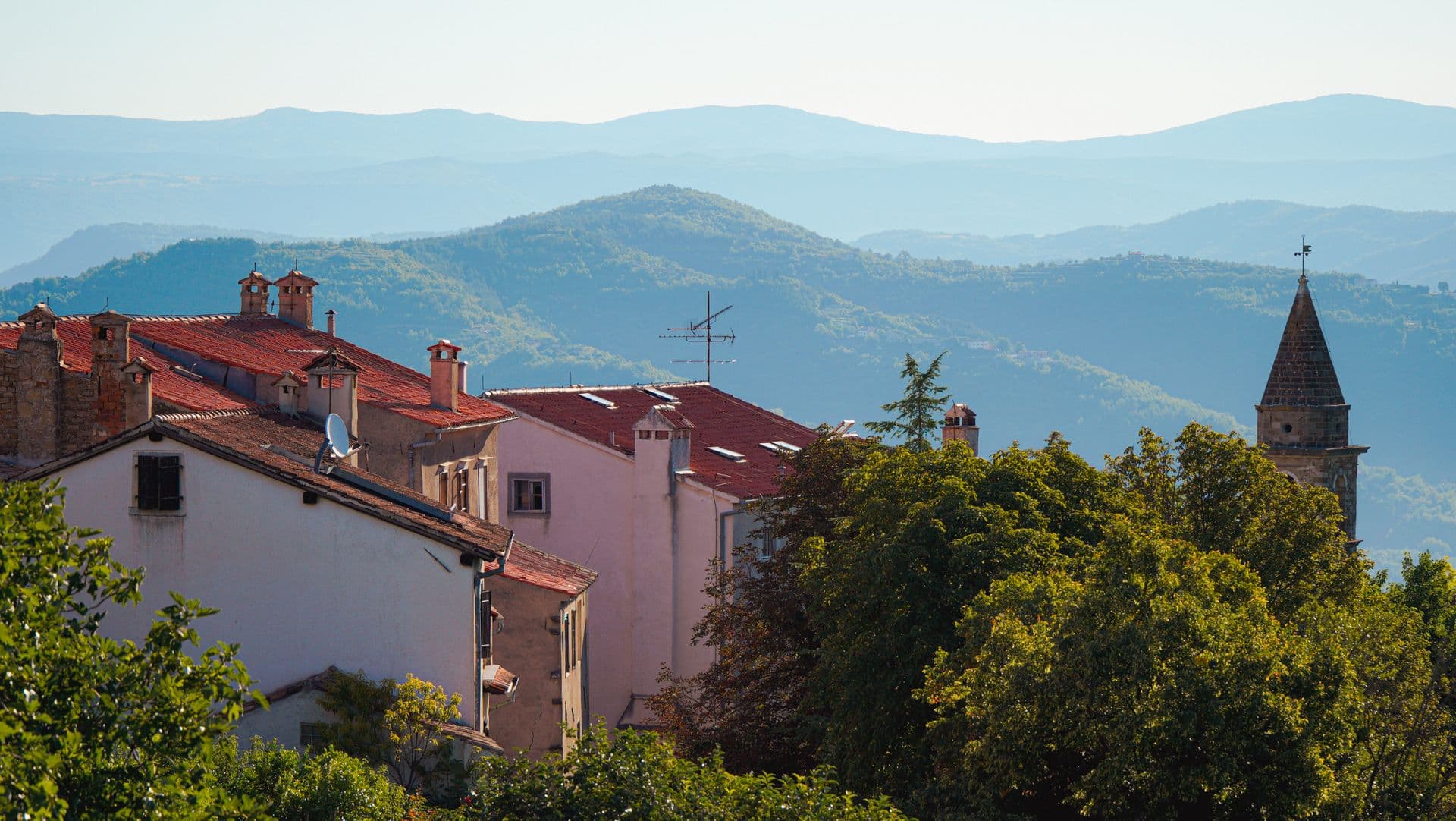
What makes this airport worth flying into is the geometry of the peninsula. Rovinj is forty minutes up the west coast, Porec about fifty, and the hill towns of the interior, Motovun, Groznjan, Buzet, sit within an hour of the terminal on roads that are genuinely enjoyable to drive. The A9, the dual carriageway locals call the Istrian Y, runs the length of the peninsula and takes the strain out of the longer hops, so a base anywhere in Istria puts the rest of it inside an easy day trip.
If your first Croatian drive is here, Istria is a forgiving place to start. The roads are wide by Dalmatian standards, the traffic is lighter than the southern coast in August, and distances are short enough that a wrong turn costs minutes rather than an afternoon. Croatian roads, tolls and fuel explained covers the tolls, the fuel labels and the speed limits, which is most of what a first-timer wants settled before landing.
The other reason renters choose Pula is what lies just beyond the peninsula. Slovenia is under an hour and a half from the terminal and Trieste, in Italy, is closer than Zagreb, so Istria is the natural base for a trip that crosses a border or two. That is a booking question rather than a driving one: flag the plan when you reserve so the supplier can prepare the paperwork the car needs at the frontier, and read the terms on the listing. how cross-border rentals work in Croatia sets out what to expect.
On which car to take, Istria argues for something small. The hill towns were built long before cars and their approaches are narrow, walled and often one-way, with parking at Motovun or Groznjan on a terraced lot below the gate rather than a space by the door. A compact hatchback is easier everywhere the interior gets interesting, and the peninsula is short enough that boot space matters less here than it would on a Dalmatian road trip. For four adults with luggage the estate and crossover classes are the sensible step up, and automatics in Croatia are worth booking early either way, because the smaller automatic classes are the first to go in July and August.
Coming from the airport, the practical shape of an Istrian week is usually one base and a car rather than a chain of hotels. Rovinj and Porec suit people who want a harbour and a beach; the interior suits anyone who would rather eat well and drive between towns nobody has heard of. Either way the car is the thing that makes the peninsula small. If you would rather not take one straight away, you can rent a car in Pula town a few days into the trip instead, once the walking part is done.
Avant de réserver
Usually fifteen to twenty minutes from landing. It is a single small terminal, the name-board meet is in the arrivals hall and the paperwork is done at the car in the park outside. The busiest moments are the summer charter waves, when two or three flights land together and the hall fills briefly; even then the car park itself never really queues.
For Pula town alone, no: the arena, the forum and the seafront are all walkable. For anywhere else, effectively yes. The hill towns, the vineyards and the smaller coves either have no useful bus or have one that runs twice a day, and the coastal road between Rovinj and Porec is the kind of drive people remember. A car is what turns Istria from one town into a peninsula.
Usually yes, with the cross-border option chosen as you book, which is where the countries and the terms are set rather than something arranged later. Trieste is around an hour and three quarters and Ljubljana about two and a half hours, which makes both realistic day trips. Some suppliers restrict particular countries, so the listing's cross-border terms are the thing to read before you commit.
Easier, and that is the honest comparison. The A9 runs the spine of the peninsula as a fast dual carriageway, and the secondary roads are wide, well surfaced and rarely cut into a cliff the way the southern coast road is. The one section worth respecting is the Ucka tunnel and the descent toward Opatija, which is a proper mountain road rather than a coastal one.
Yes, one-way rentals out of Istria are common: down to Zadar or Split, or across to Zagreb for the flight home. A fixed fee applies to the route and prints on the listing before you pay, so you can weigh it against driving the peninsula twice. Enter both the pickup and the drop-off point when you search so only the cars that allow it appear.
Some. The Istrian Y is tolled on its longer sections and the Ucka tunnel toward Rijeka carries its own charge, both paid at the booths by card or cash, or automatically if the car carries an ENC transponder. Croatia has no national road vignette, so there is nothing to buy in advance; you only pay for the stretches you actually drive, and the short hop into Pula town is free.