
Cover, excess, deposit · Each car's exact terms on its listing
Car rental insurance in Croatia, in plain words
No hidden feesNo depositFree cancellation
350+ cars live across Croatia nowfrom €18/daydeposits shown up front
Cover, excess, deposit · Each car's exact terms on its listing
350+ cars live across Croatia nowfrom €18/daydeposits shown up front
Featured cars
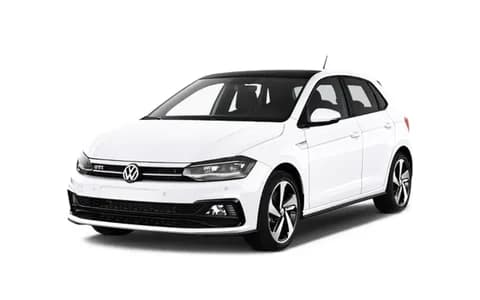
Volkswagen Polo
5 seatsManual2022
from €18/daytoday's cheapest in this class
Check availability →
Volkswagen T-Roc
5 seatsManual2022
from €23/daytoday's cheapest in this class
Check availability →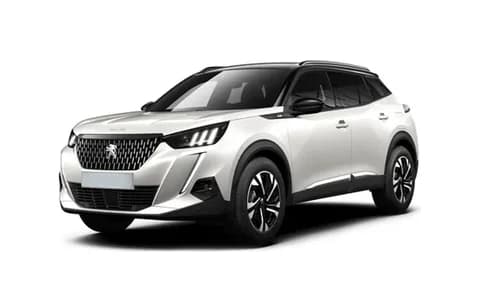
Peugeot 2008
5 seatsAutomatic2022
from €30/daytoday's cheapest in this class
Check availability →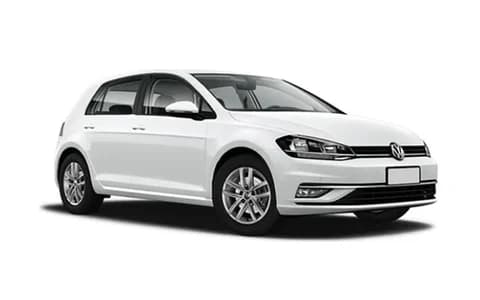
Volkswagen Golf
5 seatsAutomatic2022
from €41/daytoday's cheapest in this class
Check availability →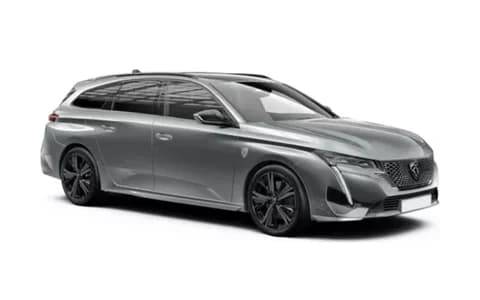
Peugeot 308 SW
5 seatsManual2022
from €48/daytoday's cheapest in this class
Check availability →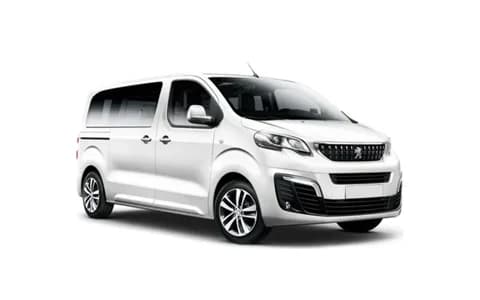
Peugeot Traveller
9 seatsManual2022
from €56/daytoday's cheapest in this class
Check availability →One featured car from each class we list, not our full fleet. Live prices refresh through the day and move with the season. Your exact car and total show on the next step.
Drag or swipe for more cars →How it works
Rental insurance sounds complicated because the industry profits when it stays that way. In Croatia it reduces to three numbers on each listing: what the cover includes, the excess (the most you would pay if the car is damaged), and the deposit held against that excess. Read those three lines and you know more than most people at any airport counter.
The baseline is friendlier than people expect. Third-party liability is required by law and always included; you cannot rent a car here without it. On top of that, the listings we compare include damage cover as standard, with the excess stating exactly where your responsibility stops. From there you choose: keep the standard cover and its deposit, upgrade to the supplier's full protection, or pick one of the cars where fuller cover and a zero hold come bundled; if that last one appeals, you can skip the deposit entirely and be done with the subject.
One honest note on where you rent: terms vary more between suppliers than prices do, and bigger pools mean more choice of terms, not just cars. Compare a few listings in the Split rental pool and you will see the same hatchback offered with meaningfully different excess and deposit lines. That variation is the market working; pick the terms you want instead of accepting the first set.
Standard damage cover pays for the car except for your excess, and it carries the classic exclusions of basic cover everywhere: tyres, glass, mirrors, the undercarriage and the interior are commonly outside it, and the listing states each car's exact list. Those exclusions matter more here than in flat countries, because gravel park lots and kerbed old-town streets are exactly where tyres and rims meet their fate. If your route includes unpaved approaches to beaches or viewpoints, that is the argument for fuller cover in one sentence.
The supplier's full protection typically deletes or slashes the excess, sweeps in most of the exclusions, and often drops the deposit at the same time. It costs a few euros a day and turns the worst realistic outcome of your holiday into someone else's paperwork. Take it when the excess is large relative to your tolerance, when your itinerary is adventurous, or when you would otherwise spend the trip flinching at car parks. Skip it when the standard excess is small and your card can shrug off the hold; not every rental needs the works.
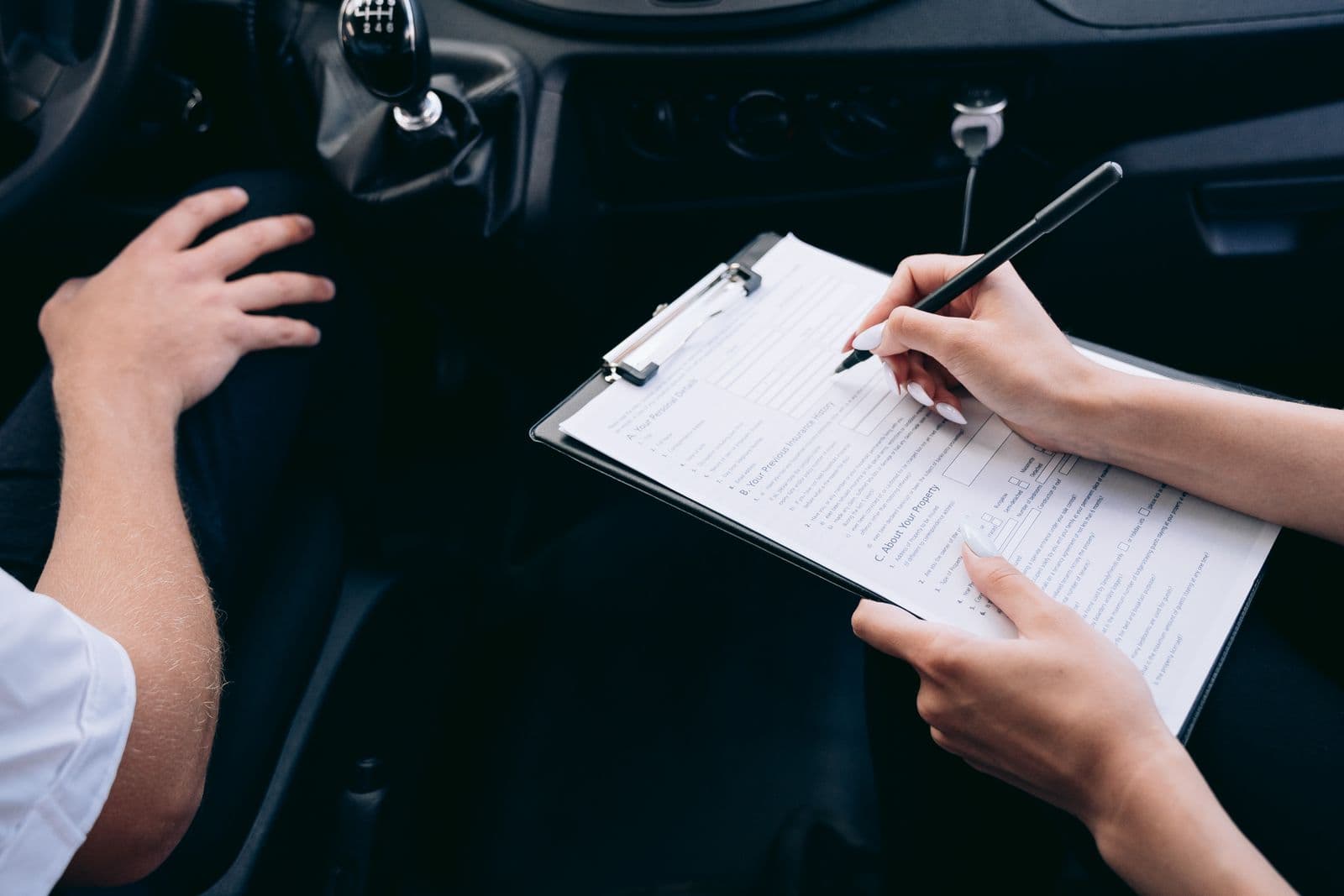
Whatever cover you choose, do the walkaround properly. Photograph the whole car at handover, close on every existing scratch and wheel, plus the fuel gauge and the windscreen; sixty seconds of photos beats any argument later. Check the marked damage on the paperwork matches what you see and add anything missing before you sign. If anything happens during the rental, call the supplier first and get a police report for anything involving another vehicle; cover works when the paper trail exists.
Before you book
Yes, twice over. Third-party liability is required by law and always included, and the listings we compare include standard damage cover with a stated excess on top. What varies is the size of that excess and the deposit held against it, which is exactly what the listing's terms lines tell you before you book.
The maximum you pay if the car is damaged. With a 600 euro excess, a repair bill of 400 costs you 400 and a bill of 3,000 costs you 600; the cover pays the rest. Full protection exists to shrink that number toward zero, and the deposit is simply the excess held on your card in advance.
Card cover can be real but it reimburses you after the fact; the supplier will still hold the deposit and charge the excess first, and you claim it back at home with paperwork. Full protection from the supplier prevents the charge instead of refunding it. Frequent renters with good card cover often accept that trade; most holiday renters prefer prevention.
Call the supplier before anything else; they will tell you exactly what they need. Get a police report if another vehicle or person is involved, photograph everything, and keep every receipt. With that trail, the cover works the way the listing promised: you pay at most the excess, and with full protection usually nothing.
Open the listing and read its cover block before you book. Each car states its own tiers, what the excess is at each level and what is included, because these are set per supplier rather than sitewide. If a detail matters to you, that block is the authority, not a general description on a page like this one.
Tell the supplier at booking and they issue the cross-border paperwork the car needs at the frontier, and the listing sets out the terms that apply once you are over it. Crossing without flagging it first is what puts cover at risk, so it is a two-minute step at the time of booking rather than a decision at the border.