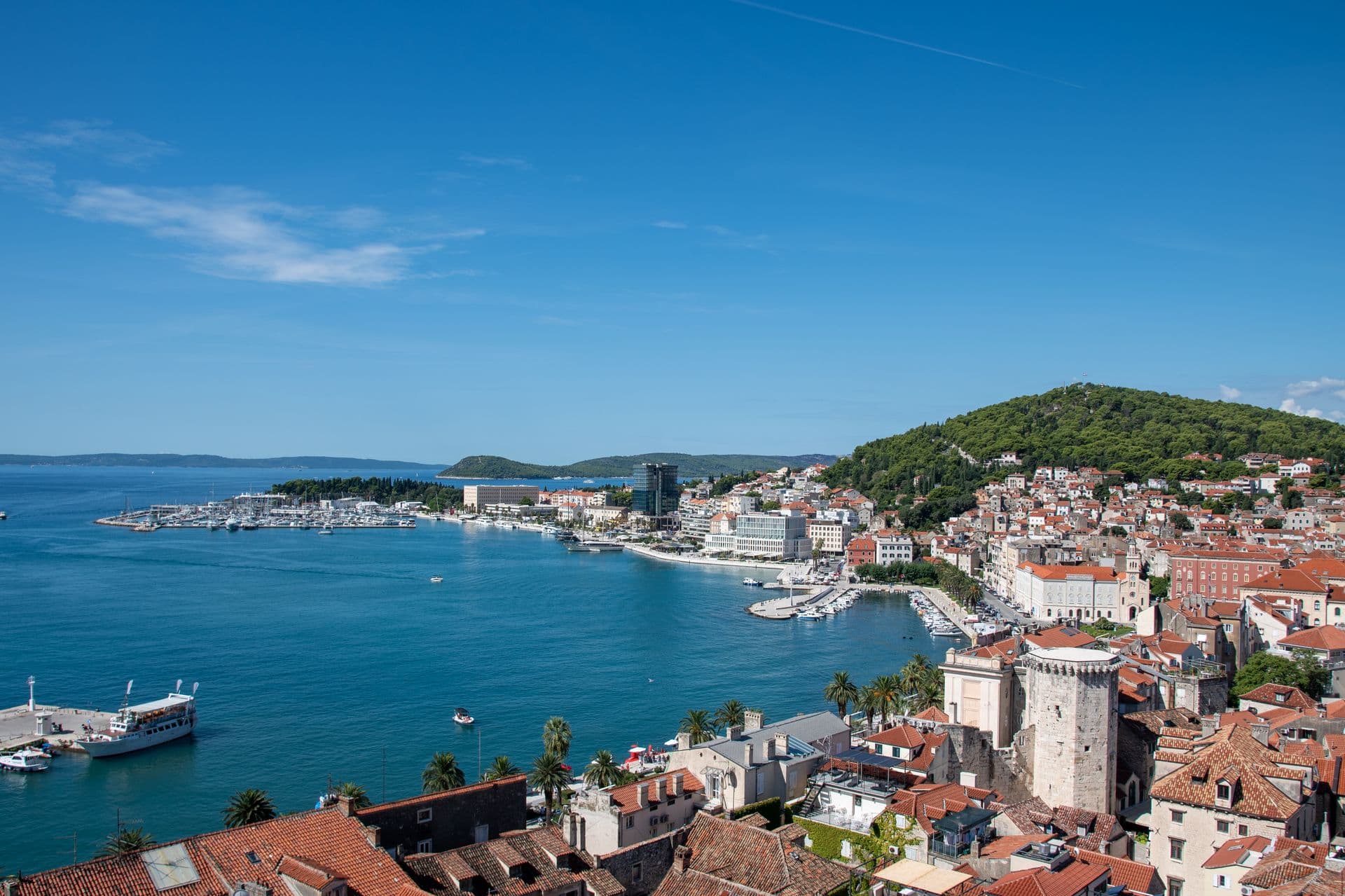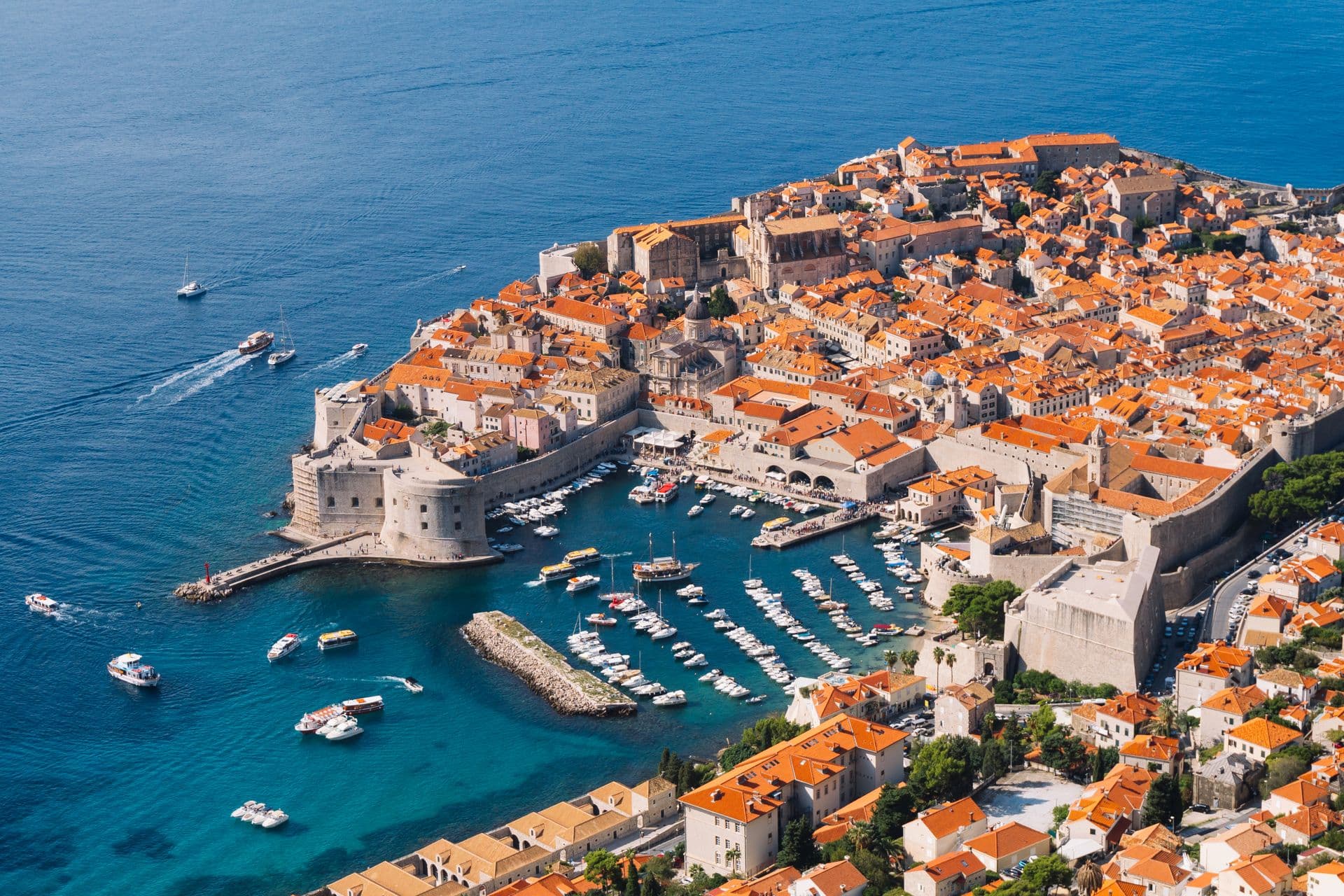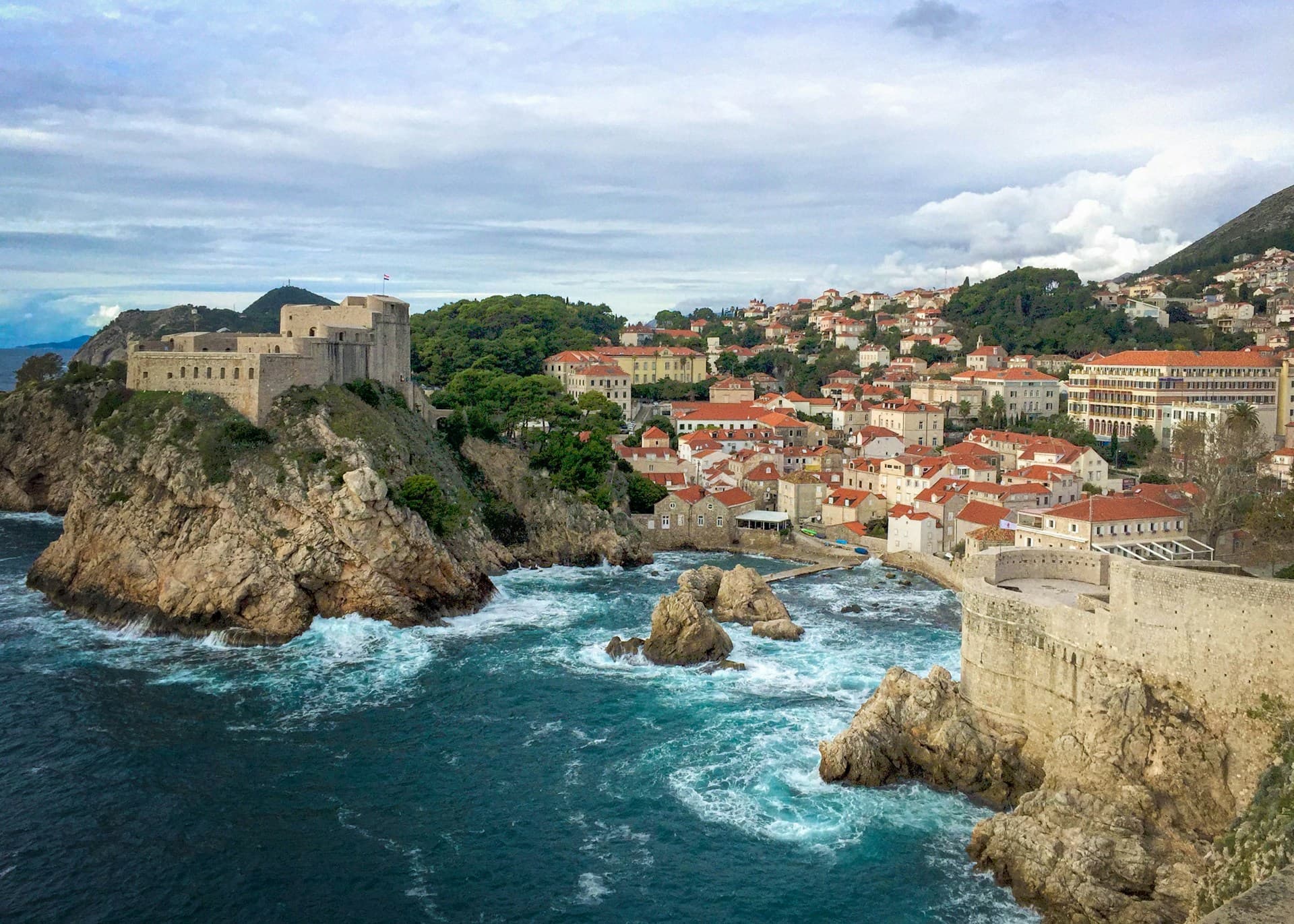
Two hundred and thirty kilometres separate Split from Dubrovnik, and they might be the best half-day of driving in the Mediterranean. You can rent a car in Split and run south with the mountains on your left and the islands on your right, or rent a car in Dubrovnik and do the whole thing in reverse; the road does not care and the views work both ways. Direct, it is about three hours. Done properly, it is a day.
This page is about the drive itself: which road to take and when, where fuel and coffee actually are, and how the timing really behaves in season. It is written for a rental car, so the parking and handover realities at both ends are part of the story, and it sits on a small shelf of driving guides that grows as renters keep asking.
Coast road or motorway: you get both
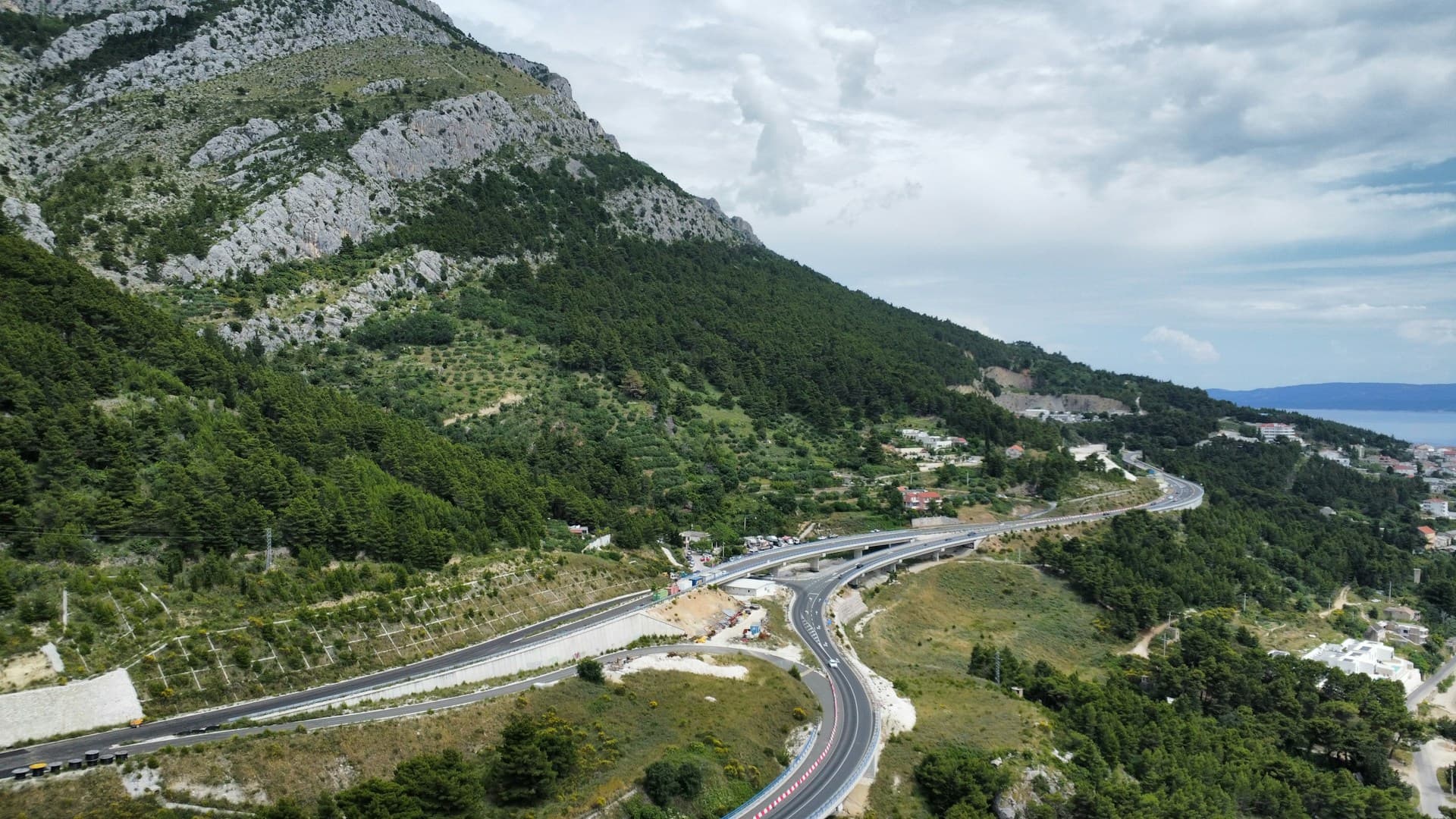
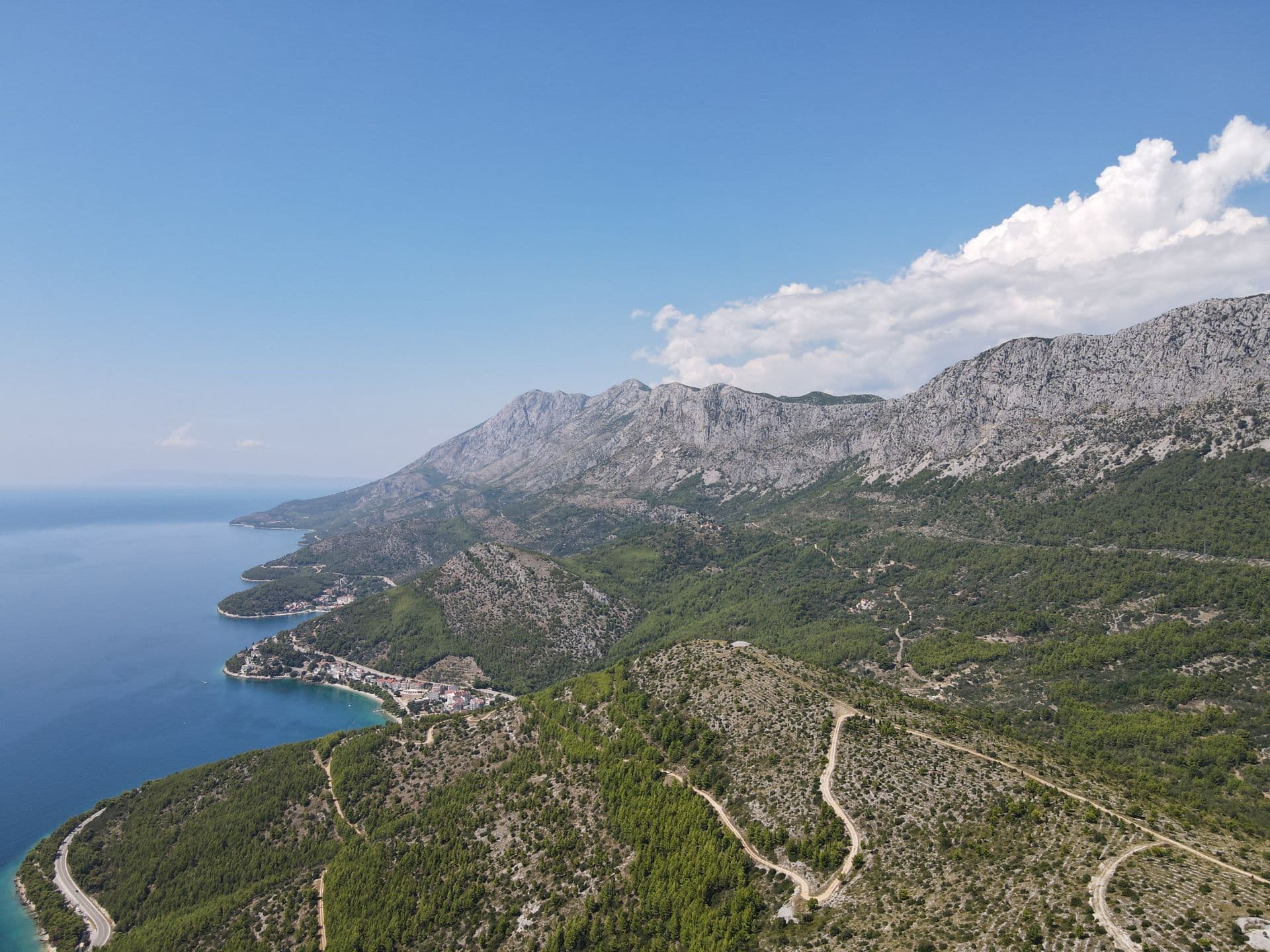
There are two honest routes and the good news is you do not have to choose just one. The D8 Adriatic road hugs the coast the whole way: slower, endlessly scenic, and the reason you rented a car. The A1 motorway runs inland, fast and quiet, and rejoins the coast near Ploce. The classic recipe takes the D8 through Omis and the Makarska riviera while the scenery peaks, then lets the A1 or the lower coast road carry you through the Neretva valley and on south. Reverse the recipe northbound.
In August, weight the motorway more heavily. The D8 through the riviera towns crawls at midday when the beach crowds cross, and the same kilometres that take forty minutes at nine take ninety at one. Drive the pretty half early, then make time inland.
The clock, leg by leg
Numbers help more than adjectives here, so take the drive in pieces. Split to Omis is forty minutes on a normal morning. Omis to Makarska adds another forty-five along the riviera's best stretch. Makarska to the Ploce interchange is about fifty, the Neretva valley to the Peljesac bridge half an hour, and the final run into Dubrovnik roughly an hour, dropping down to the Rijeka Dubrovacka inlet at the end. Stack the legs and you get a little over three hours of moving time; the gap between that and your actual door-to-door day is decided by when you leave and how often you stop, not by the route.
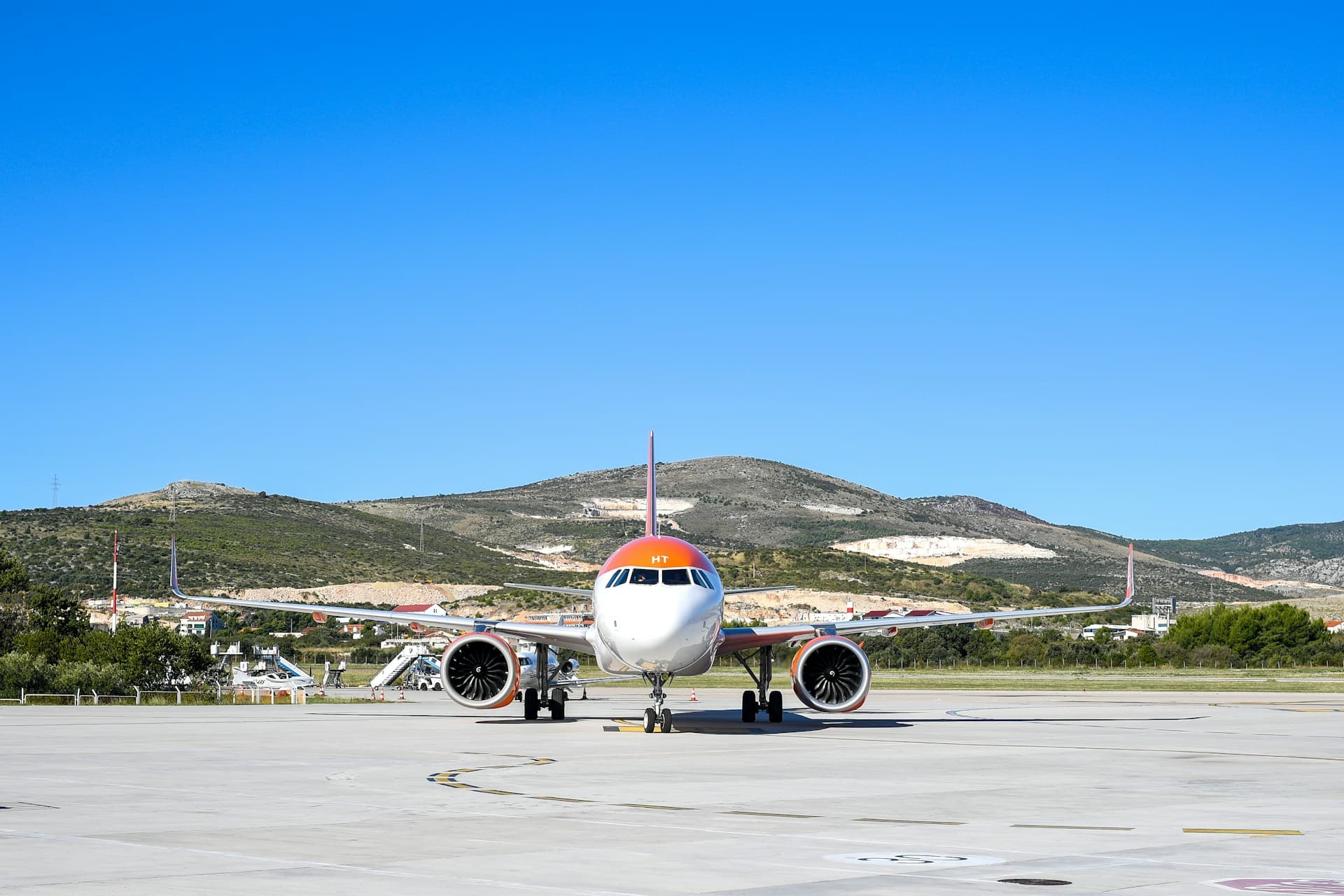
Departure time does more than any route choice. Leaving Split at eight puts you through the riviera before the beach traffic wakes and into Dubrovnik in time for a late lunch, stops included; leaving at eleven in August hands an hour back to the same kilometres. Plenty of renters run this leg straight off a morning flight, picking up at Split Airport rather than in town; the terminal sits on the Trogir side of the bay, which adds ten minutes to the clock and skips Split's city traffic entirely.
Leg by leg, moving time
- Split → Omis40 min
- Omis → Makarskaabout 45 min
- Makarska → Ploceabout 50 min
- Ploce → Peljesac bridge30 min
- Bridge → Dubrovnikabout 1 h
- Stops, done properlyadd 1 to 3 h
The bridge that deleted the border
Until 2022, this drive crossed Bosnia at Neum: passports out, queue, twenty coastal kilometres, queue again. The Peljesac bridge ended all of it. The route now stays inside Croatia the entire way, which means no border documents, no waiting, and no asterisk on your rental agreement for the through-drive. You only meet a border on this trip if you deliberately detour into Bosnia or Montenegro, and that is a choice you make at booking, not at a checkpoint.
Stops that earn their minutes
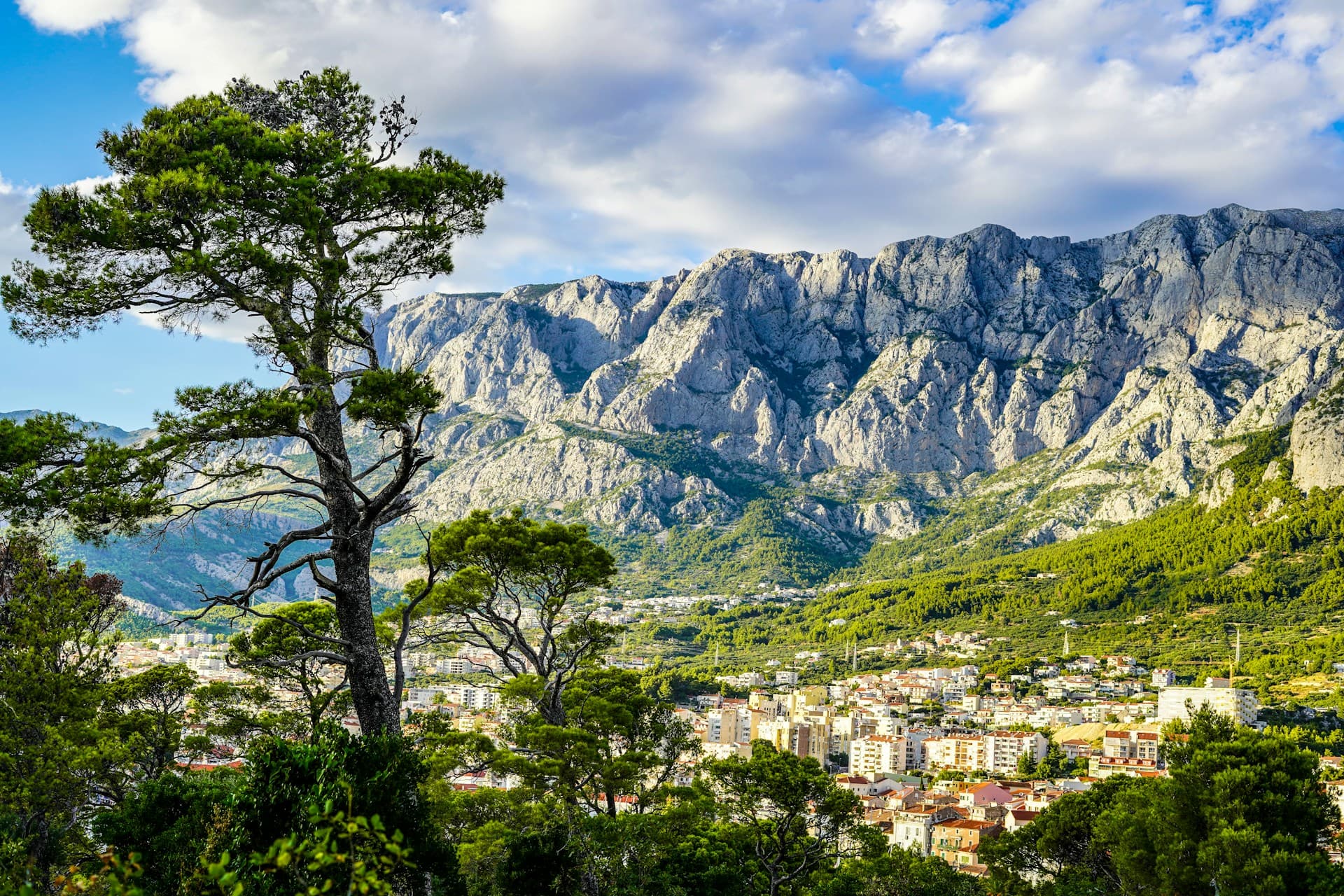
Omis, forty minutes out of Split, is the first legitimate leg-stretch: the Cetina gorge walls close around the town and the view costs nothing but a parking coin. An hour later you are in the riviera and can break the trip in Makarska properly: swim, eat, and if the schedule is kind, remember the town also rents cars, which matters if your plans change mid-coast. South of the riviera the Neretva valley goes suddenly flat and green; in autumn the roadside stalls sell mandarins by the crate and stopping is mandatory. The Ston detour near the Peljesac turn adds walls and oyster beds for an hour you will not regret.
The discipline that makes all of this work: pick two stops, not five. Every pause costs more than its face value in re-parking and rejoining traffic, and Dubrovnik deserves your afternoon energy.
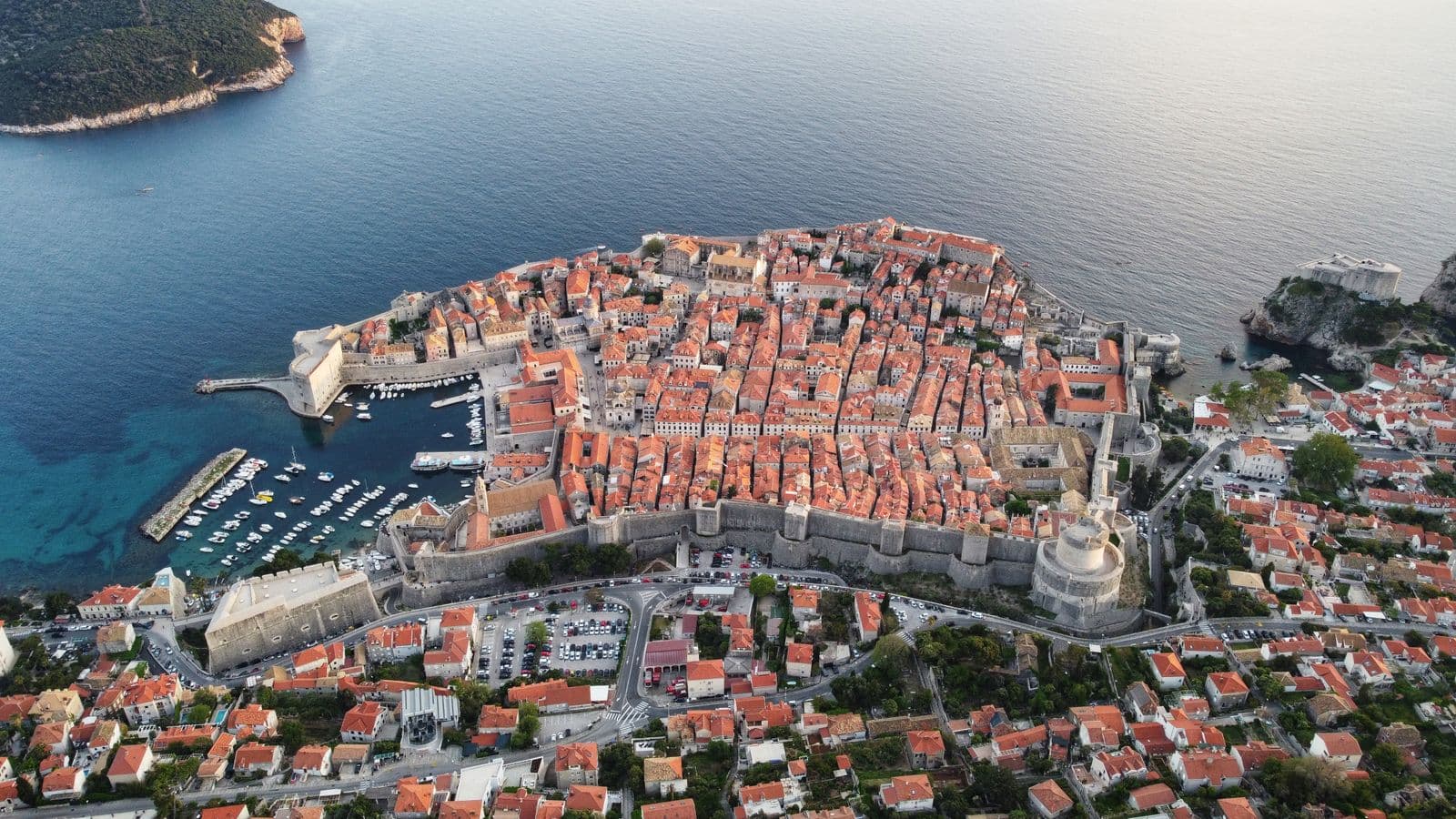
Parking the stops, so they stay short
A stop only earns its minutes if the car goes somewhere quickly. Omis keeps paid lots on both sides of the Cetina bridge, five minutes on foot from the old core, and outside August the turnover is fast enough that circling is rarely needed. In Makarska, skip the seafront hunt entirely: the paid lots a street or two back from the Riva cost less and empty faster, and the walk between them and the water is shorter than the queue for the harbour spaces. Ston has a flat paid lot right under the walls, which makes the oyster stop as efficient as it is worthwhile.
The mandarin stalls in the Neretva valley deserve their own rule: pull fully off the carriageway onto the gravel aprons the stalls keep for exactly this, because the D8 traffic behind you is doing ninety and half of it is towing something. And everywhere on this route, park nose-out where the lot allows it; rejoining the coast road in season is the slowest part of any stop, and rolling forward into a gap beats reversing into one every time.
Fuel, tolls and the arrival
Fill the tank leaving Split and the fuel question is settled; stations repeat at Omis, through the riviera and around Ploce if you need a top-up. Tolls only apply if you use the A1 segment, ticket in, pay at the exit, cards fine, and everything else about driving in Croatia follows the same friendly pattern. At the Dubrovnik end, remember the old town is pedestrian and its nearest parking is the most expensive in Croatia: if your accommodation is central, the smart move is dropping bags, then returning the car or garaging it away from the walls rather than feeding a meter that costs like a restaurant.
And if you have no reason to drive back north, do not. Plenty of renters make it a one-way and skip the drive back, handing the car over in Dubrovnik for a fixed fee that shows on the listing; three hours of motorway you never see again, traded for one line in a price breakdown.
The drive in numbers
- Distanceabout 230 km
- Direct drivearound 3 h
- Bordersnone since 2022
- RoutesD8 coast, A1 inland, or mix
- Best departurebefore 9 in summer
- FuelSplit, Omis, riviera, Ploce
One-way, in actual mechanics
The one-way version of this trip is less exotic than it sounds. You book a Split pickup and a Dubrovnik return, and the relocation prices itself as a fixed drop fee on the listing before you pay, not as a negotiation at the desk. The car goes back either at the supplier's Dubrovnik office or, more usefully for most itineraries, at the airport: if the trip ends with a flight out, hand the car back at Dubrovnik Airport and the walled city stays a bus ride, not a parking problem.
Two details are worth checking on the listing before you commit. The drop fee is set per car, so a nearly identical hatchback from another supplier can carry a very different relocation cost, and it pays to compare the trip total rather than the daily rate. Return hours matter too: an early departure needs a supplier whose airport handover starts before your check-in, and the listing states those hours next to everything else. Read that block once and the one-way has no moving parts left.