Croatia is one of Europe's easiest countries to drive. The motorways are modern and quiet outside August, the signage follows the standard European playbook, and the distances are small: the whole coast is a day's drive end to end. Most of our renters are on the road within twenty minutes of landing at Split Airport and driving away, and the questions they ask us beforehand are nearly always the same five or six. This page answers them properly, and the rest of the driving guides take the routes one at a time.
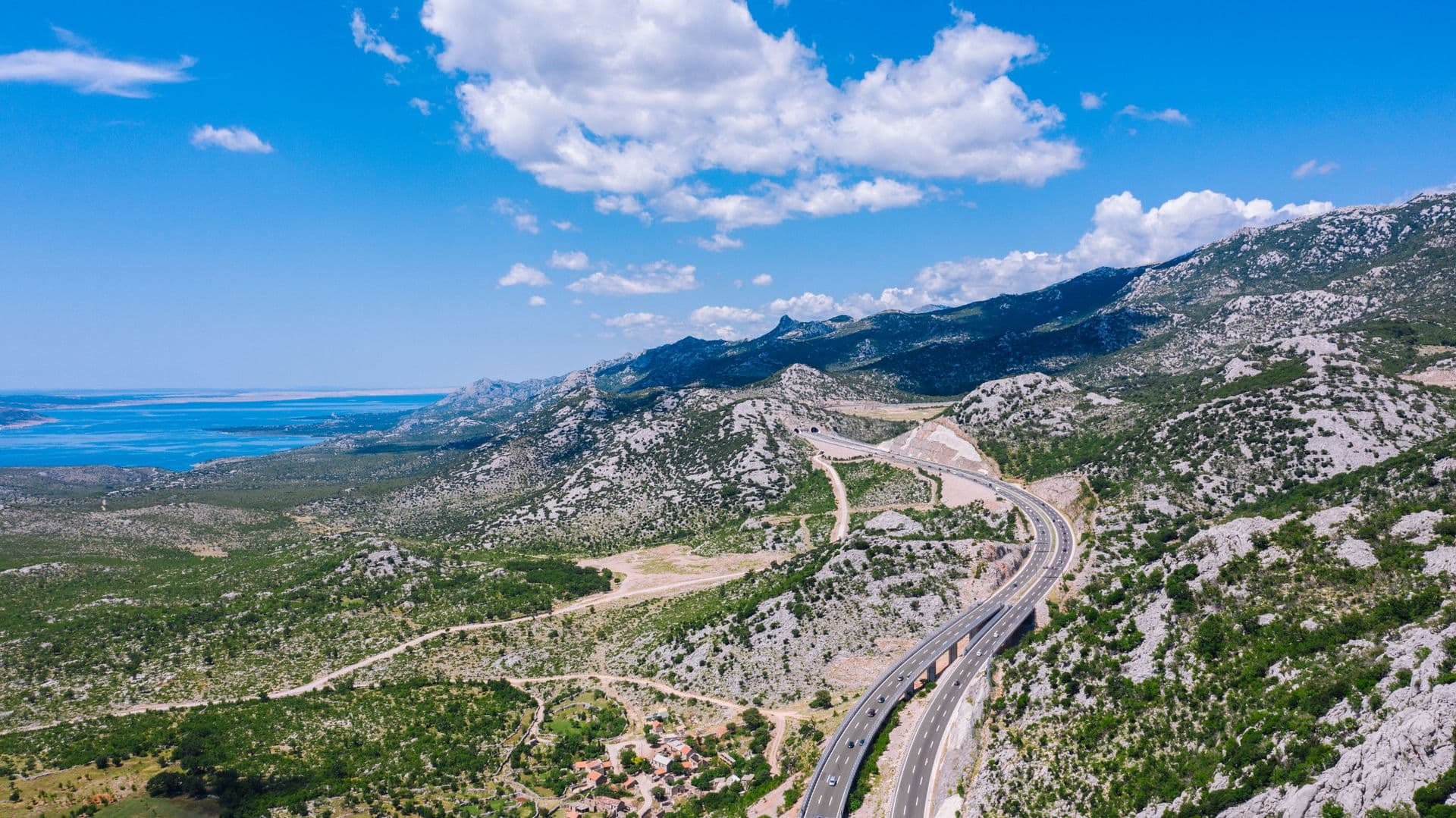
One framing tip before the details: the country has two road systems doing different jobs. The A-road motorways are for covering ground fast, and the old state roads, above all the D8 along the coast, are the reason you rented a car in the first place. Good trips use both; drive the motorway when the day is about arriving, and the D8 when the day is about the drive.
Getting the keys: how pickup works
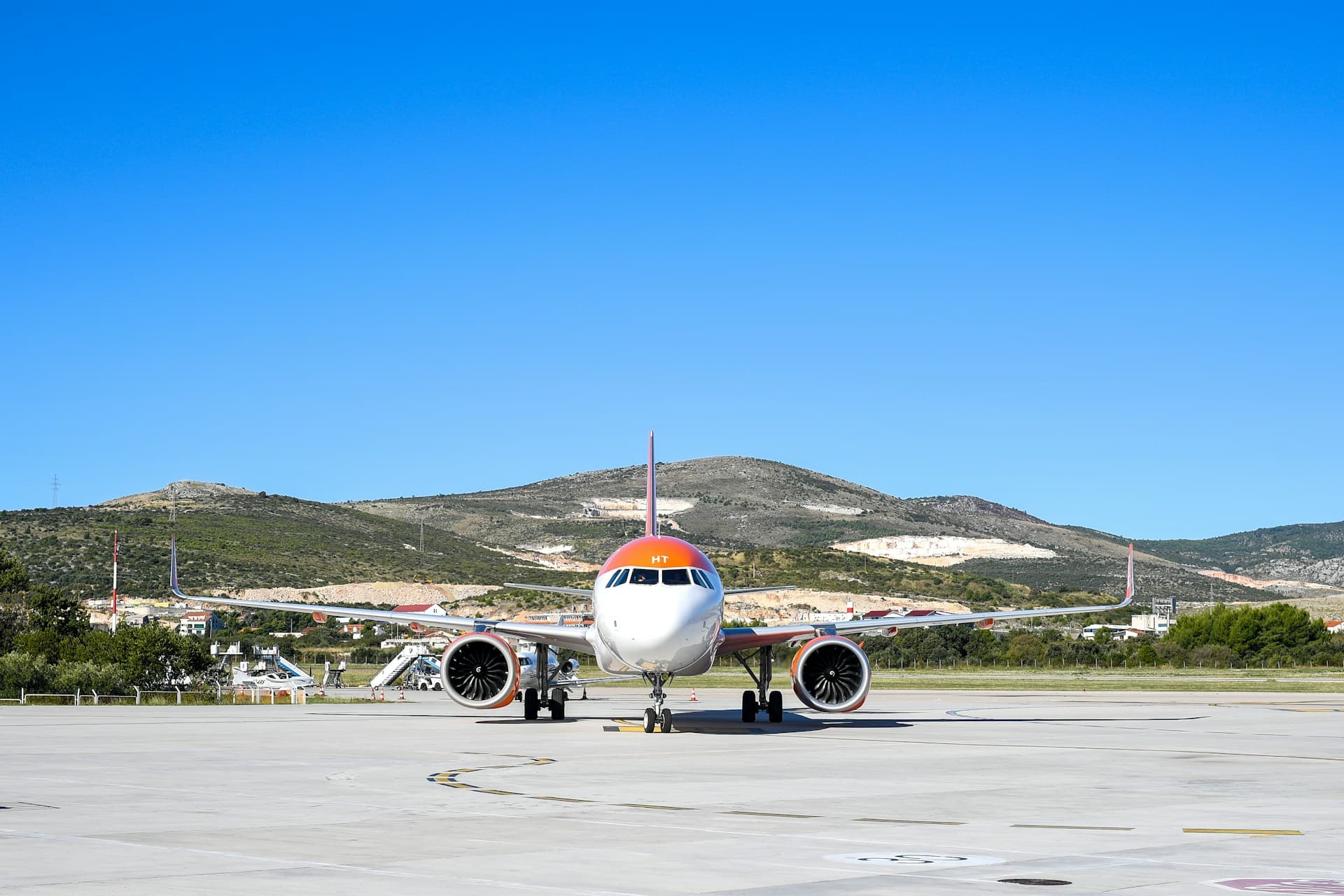
Local suppliers here mostly come to you rather than staff a counter: at the airports that means a name board in the arrivals hall, in the cities a meeting point or delivery to your accommodation. Have three things reachable when you land, not in a checked bag: the driving licence of every named driver, the card the deposit sits on, and the booking confirmation on your phone. With those in hand the paperwork takes ten minutes; without them it takes as long as the baggage belt decides. The booking decisions that come before all this, which class, which cover, where to collect, are covered in our guide to renting a car in Croatia.
The deposit is a hold on the card, not a charge, released after the car comes back as it left, and the exact figure prints on each listing before you pay; there are also cars that take no deposit at all if you would rather the subject never came up. Before driving off, walk the car with your phone out and film the corners, wheels and glass. Suppliers here are used to it, it costs ninety seconds, and it turns any return-day conversation into a comparison of timestamps instead of memories.
Tolls: take a ticket, pay at the exit
Croatia has no vignette. The motorways are tolled the old-fashioned way: you pull a ticket from the machine at the entry gate, and you pay for the distance driven when you leave, by card or cash, at a staffed booth or machine. That is the entire system. Keep the ticket somewhere you will find it again; a lost ticket is charged as the longest possible journey.
The locals' ENC transponder lanes exist too, but a visitor does not need one; the card lanes move quickly outside peak summer Saturdays. And a neighbourly warning that saves people real money: Slovenia works differently. Their motorways need an e-vignette bought online before you touch one, so if your route crosses Slovenia, buy it first; the fine for skipping it is charged roadside.
Fuel: simple, everywhere, open late
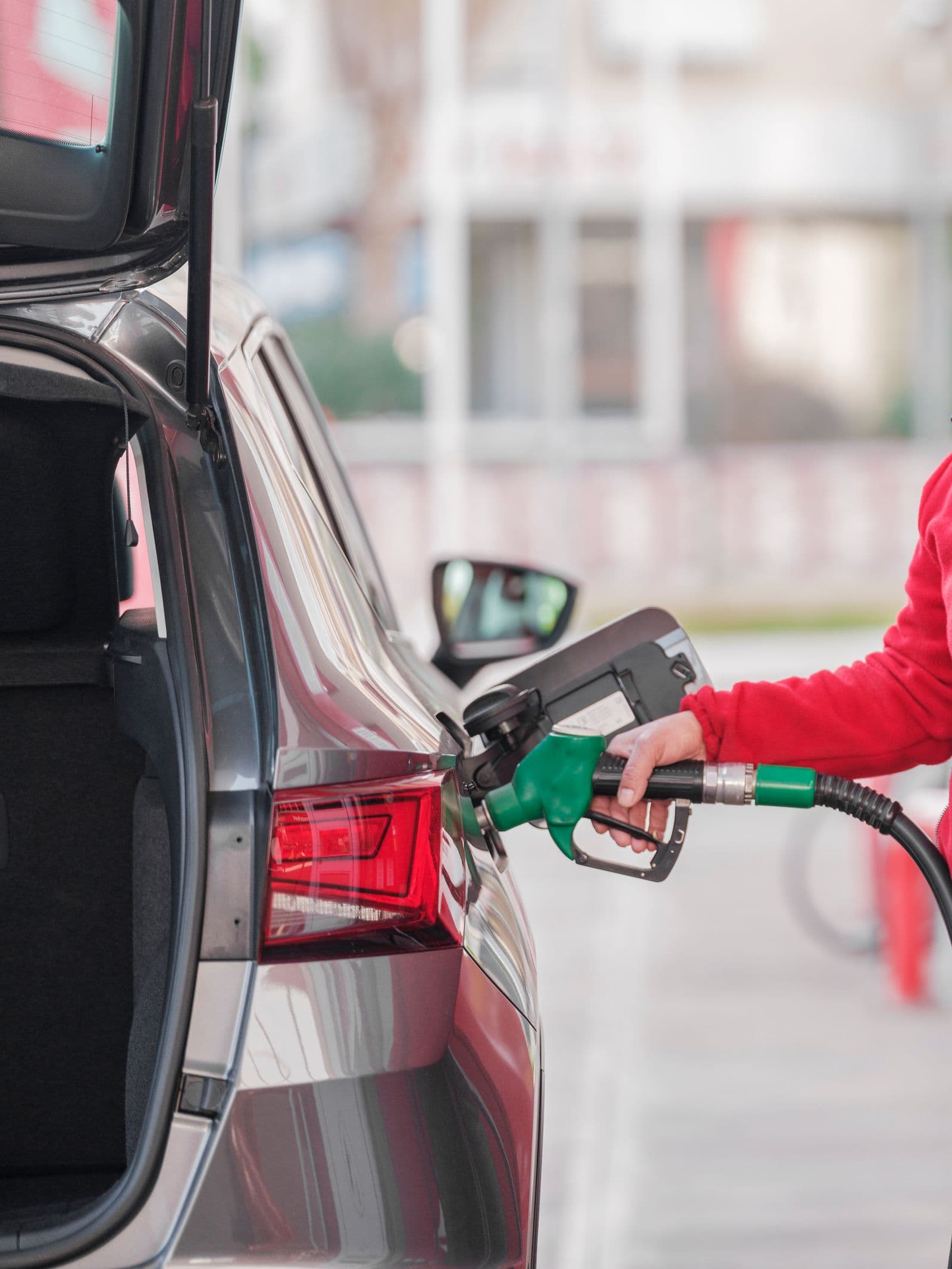
Petrol is Eurosuper 95, diesel is Eurodizel, and the pumps are labelled exactly that way, so matching the sticker inside your fuel flap is enough. Stations take cards as a matter of course, most of the coast's are open long hours in season, and the motorway stations run around the clock. You fill up yourself and pay inside.
The one habit worth building: fuel by geography, not by gauge. Stations are dense around cities and the motorway, thinner on islands and the rural stretches between coastal towns. Fill before a ferry, before a border and before the inland national-park roads, and the subject never crosses your mind again. Return the car full; the listing states the fuel policy, and full-to-full is the standard here.
Distances: the country in drive times
Croatia is small in the way that matters to a driver: nowhere on the mainland is more than a day away, and most of the famous legs are shorter than visitors budget for. The motorway does Zagreb to Zadar in under three hours and Zagreb to Split in under four, which is why so many trips land inland and sleep on the coast the same night. Southward along the sea the arithmetic slows but the geometry improves, and the Split to Dubrovnik run, planned stop by stop shows how that trade plays out on the best leg of all.
Short distances also free you from round trips. Collecting in one city and returning in another costs a fixed relocation fee rather than a day of backtracking, so plenty of itineraries drop the car in a different city than you collected it: land in Zagreb, work down the coast, fly home from Dubrovnik. The fee prints on the listing at booking, which means the maths is settled before you commit to anything.
Mainland legs, moving time
- Zagreb → Zadarabout 2 h 45
- Zagreb → Splitabout 3 h 45
- Split → Zadarabout 1 h 45
- Split → Dubrovnikabout 3 h
- Zadar → Plitvice Lakesabout 1 h 30
- Pula → Zagrebabout 2 h 40
The rules that actually catch tourists
Croatian traffic law is standard European fare; what catches visitors is the handful of details that differ from home. Speed limits run 50 in town, 90 outside, 110 on expressways and 130 on motorways, and enforcement cameras are real, especially in tunnels and through roadworks. The alcohol limit is 0.05 percent, and zero, flatly zero, for drivers under 24. Phones are hands-free only. Everyone belts up, every seat.
From the last Sunday of October to the last Sunday of March, dipped headlights are mandatory in the daytime too; the rest of the year they are only required in poor visibility, though leaving them on costs nothing. The car itself carries the mandatory kit (warning triangle, vest, spare bulbs) because the supplier equips it; put the vest on before you step onto a carriageway at night, that one is law, not advice. If gears are the thing you would rather not think about at a hill start above a harbour, book an automatic if you drive one at home; Croatia's rental fleet has plenty.
The numbers to remember
- Town / open road50 / 90 km/h
- Expressway / motorway110 / 130 km/h
- Alcohol limit0.05% · zero under 24
- Daytime lightslate Oct to late Mar
- Winter equipment15 Nov to 15 Apr, marked sections
- Emergency / roadside112 · HAK 1987
Seasons: August Saturdays and winter sections
Summer's only real hazard is the calendar. Changeover Saturdays in July and August load the A1 and the coastal bottlenecks with half of central Europe, so travel on any other day if you can choose, and early in the day if you cannot. Winter is the opposite problem: from 15 November to 15 April, designated road sections require winter equipment, and the motorway south crosses genuine snow country through Lika. Rental fleets are fitted accordingly in season, so it is handled for you; it only needs a thought if you are planning mountain detours in January.
Parking: the old towns were built before cars
Every coastal old town worth visiting is pedestrian, walled, or both, so the car's job is to get you to its edge. Aim for the garages and paid lots on each old town's rim rather than hunting street spaces; the historic centres run zoned street parking with short caps and quick enforcement. Arrive before mid-morning in peak season and the problem does not exist. Our city pages carry the specific lots locals actually use, town by town.
Borders and ferries, with a rental
Taking a Croatian car abroad is normal here: Montenegro, Bosnia, Slovenia and beyond are day-trip territory, and most local suppliers allow it. The terms are set per car and printed on the listing before you pay, and cross-border car rental from Croatia is chosen as you book rather than arranged afterwards, so add the option and name the countries at that point, and allow queue time at the southern crossings in August. Ferry travel between the islands and the mainland works the same way: it is arranged as part of the booking rather than decided at the quay. Book the car deck ahead in July and August.
Cover is the last piece people leave to the airport queue, and it deserves five calmer minutes than that. Deposits, excess and what the insurance tiers actually cover vary between suppliers more than prices do; the listing spells out each car's terms, and reading that block before you book is the single highest-value minute of trip admin we know.