Split · The Dalmatian anchor
Rent a car in Split
No hidden feesNo depositFree cancellation
92 cars live in Split nowfrom €18/daydeposits shown up front
Split · The Dalmatian anchor
92 cars live in Split nowfrom €18/daydeposits shown up front
Featured cars
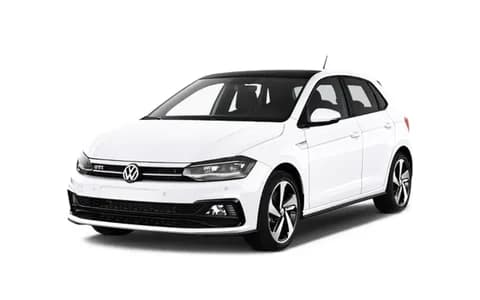
Volkswagen Polo
5 seatsManual2022
from €18/daytoday's cheapest in this class
Check availability →
Volkswagen T-Roc
5 seatsManual2022
from €23/daytoday's cheapest in this class
Check availability →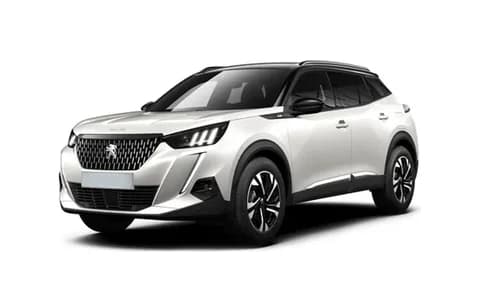
Peugeot 2008
5 seatsAutomatic2022
from €30/daytoday's cheapest in this class
Check availability →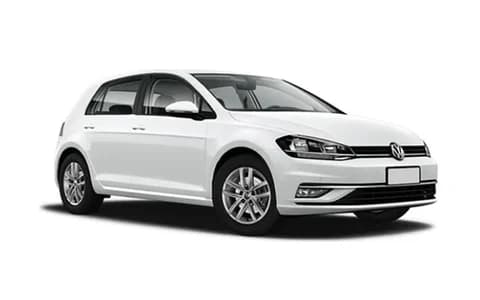
Volkswagen Golf
5 seatsAutomatic2022
from €41/daytoday's cheapest in this class
Check availability →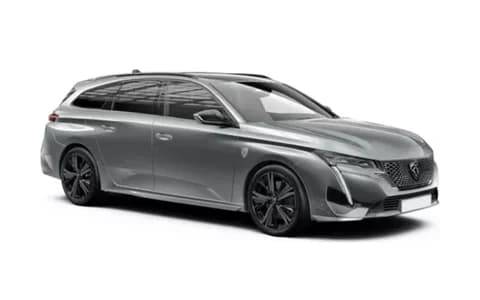
Peugeot 308 SW
5 seatsManual2022
from €48/daytoday's cheapest in this class
Check availability →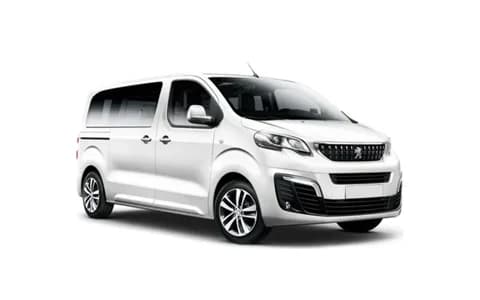
Peugeot Traveller
9 seatsManual2022
from €56/daytoday's cheapest in this class
Check availability →One featured car from each class we list, not our full fleet. Live prices refresh through the day and move with the season. Your exact car and total show on the next step.
Drag or swipe for more cars →On the ground
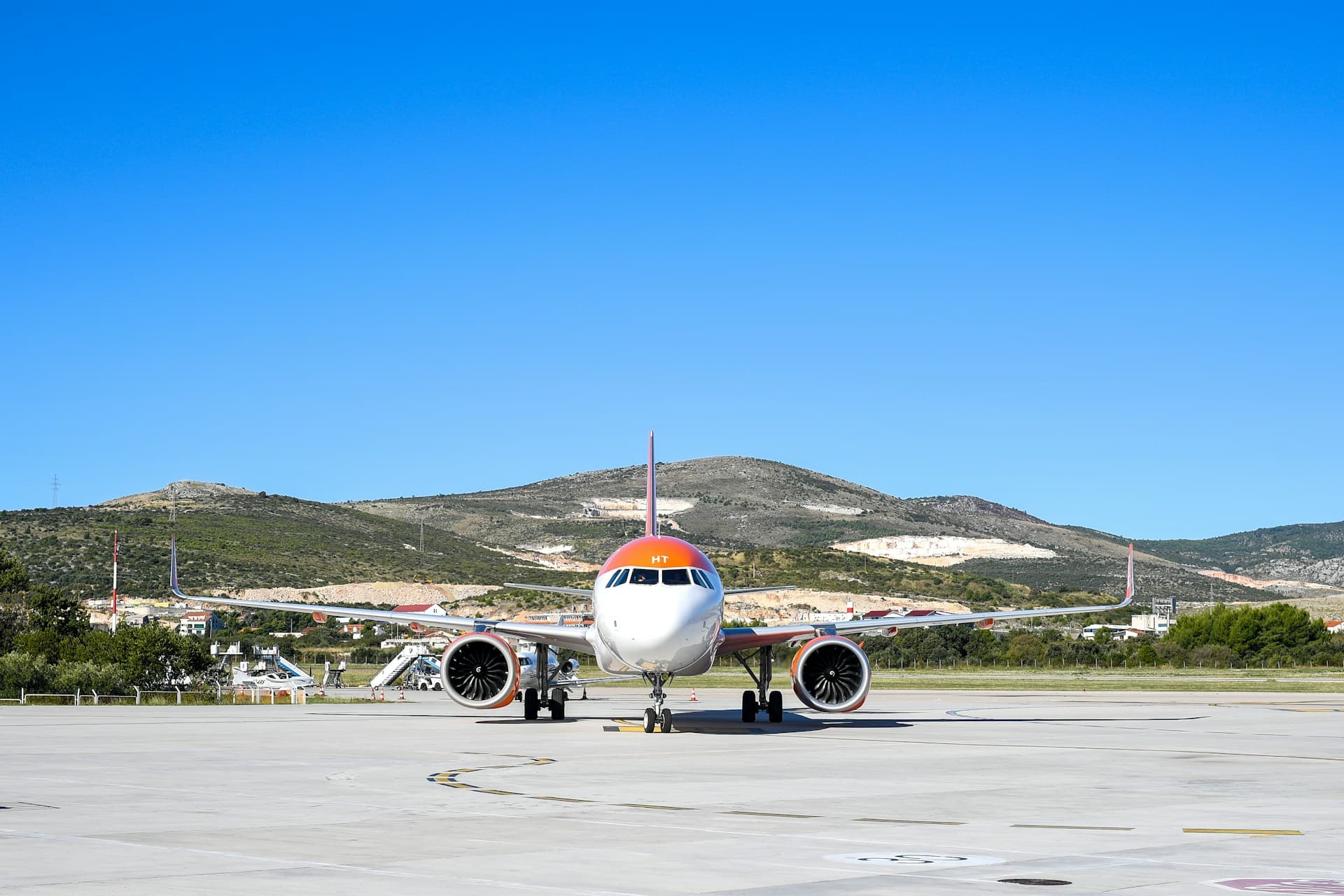
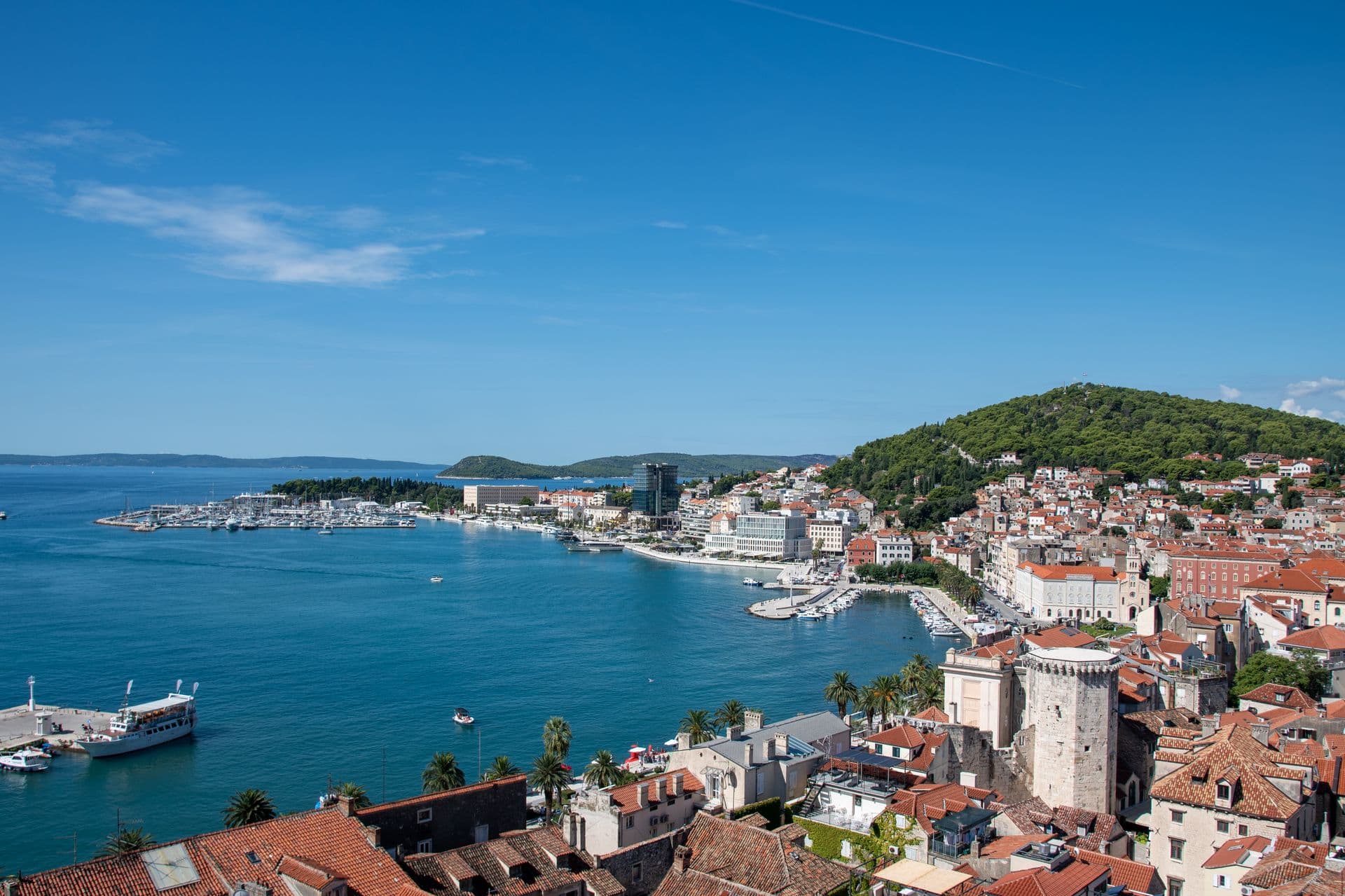
Split is where most of Dalmatia picks up its rental car, and for good reason: the fleet here is the deepest on the coast, the A1 motorway starts twenty minutes from the Riva, and the Jadrolinija ferries put Brac and Hvar an hour from your bumper. The suppliers we compare are local firms; most will meet you at your apartment, the port, or straight at arrivals, where Split Airport car rental skips the counter entirely.
A word of local honesty: do not plan to drive into the old town. Everything inside the palace walls is pedestrian, and the garages on the rim fill by mid-morning in July and August. Collect the car when you leave town, not the day you arrive; a day sooner just buys you parking fees.
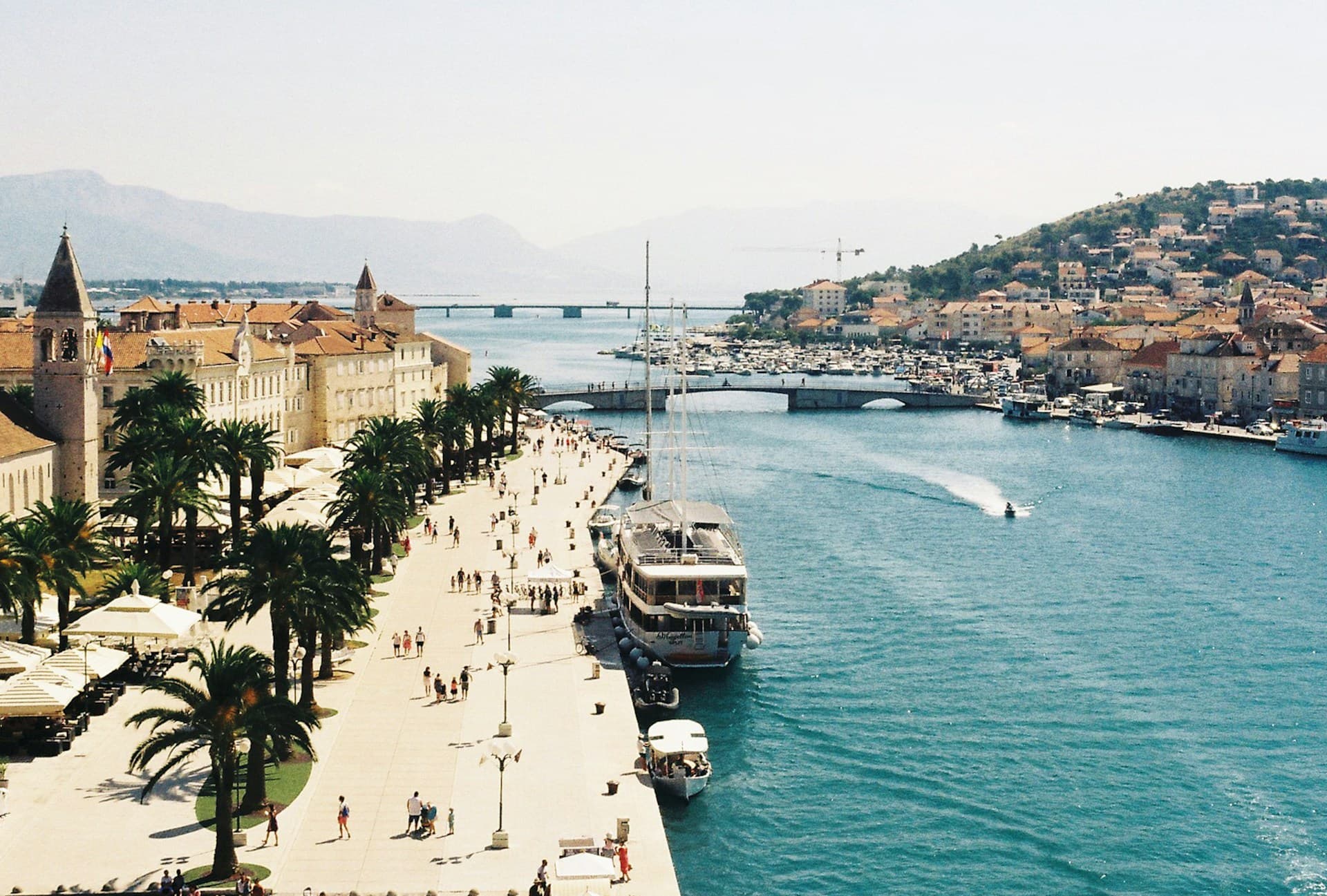
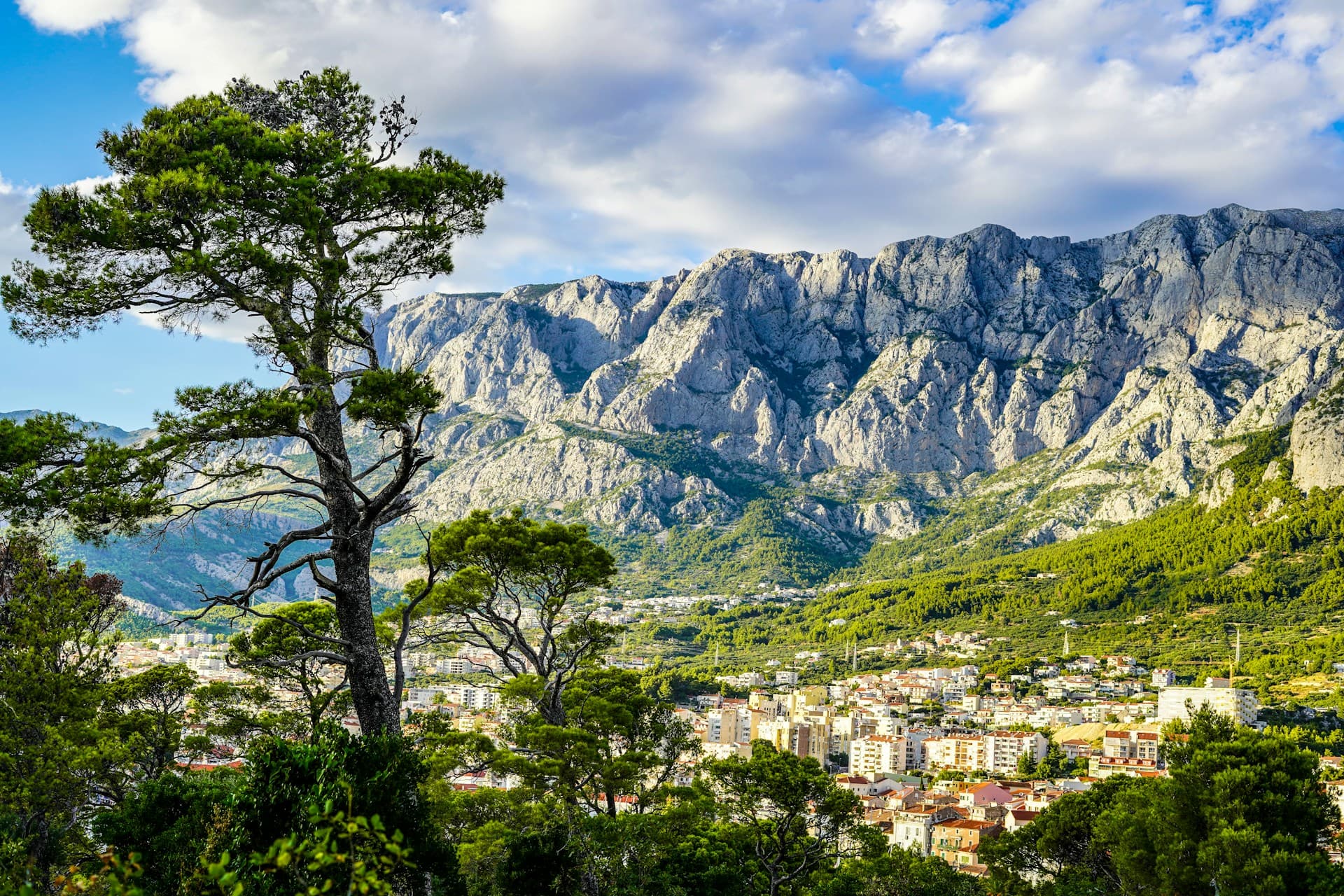
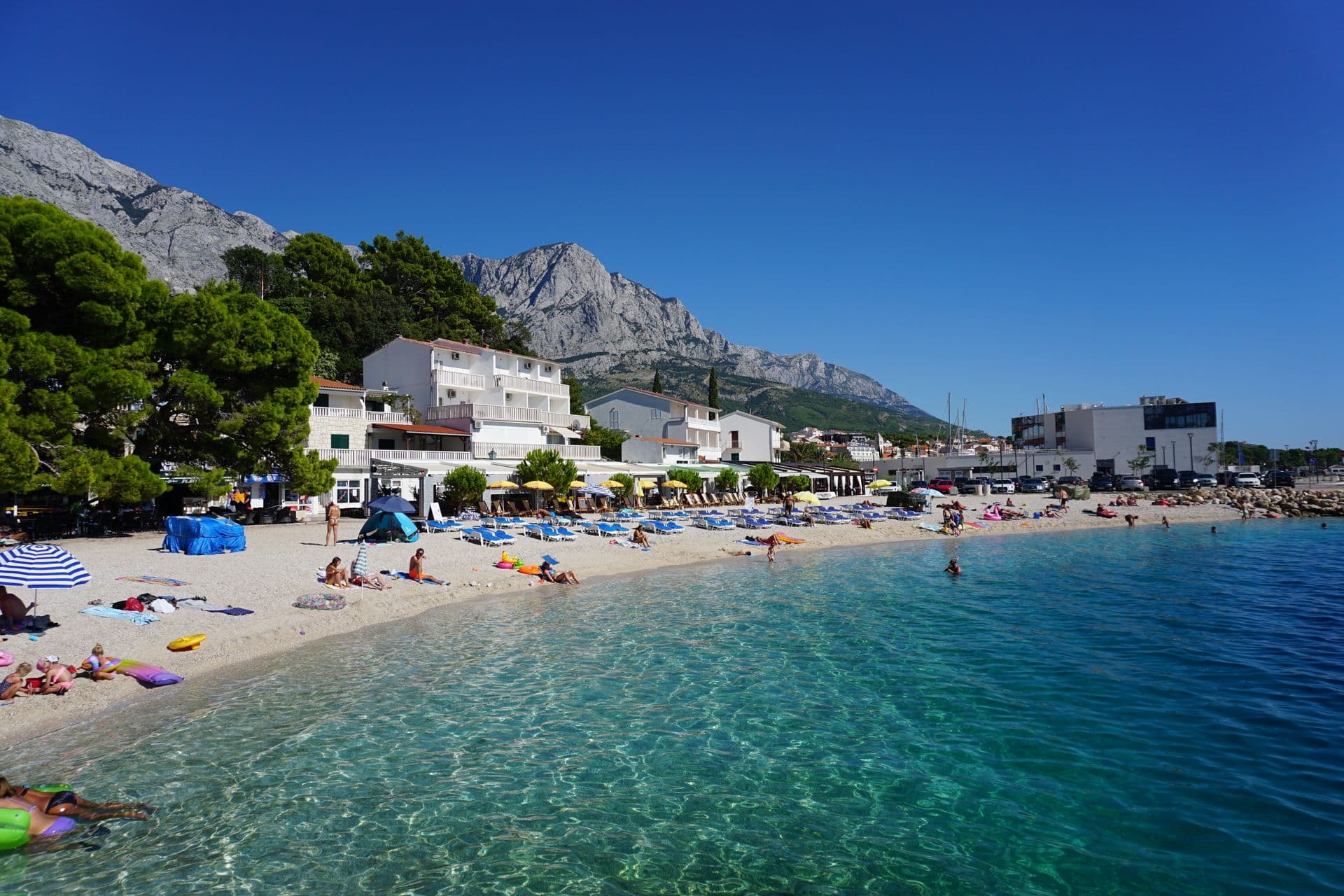
Heading down the coast? The D8 south through Omis is one of the best driving hours in Croatia, and there are riviera pickups in Makarska if you would rather start from the beaches. Going the other way, you can rent a car in Trogir, 25 minutes west, handy if your accommodation is on Ciovo.
On which car to take, Split argues for restraint. The streets inside Varos and Radunica are barely wider than a car, the coastal villages south of Omis were laid out long before anyone parked, and every space you will use for a fortnight is tighter than the one at home. A compact hatchback drives the whole coast without complaint and is easier every time you arrive somewhere. Size up only for a real reason: four adults with luggage, or a group that needs seven or nine seats. Gearbox is the choice people regret more often than size, because the D8 south is climbs, hairpins and village slow-downs, and in August it is stop-start for an hour at a time. If you drive an automatic at home, take one here; the automatic classes are a smaller share of the Croatian fleet and the cheaper ones go first in peak season.
Parking is the thing that catches people out, and it is worth knowing the shape of it before you arrive rather than circling with luggage in the boot. Everything close to Diocletian's Palace is paid and zoned, the zones get dearer and more tightly enforced the nearer the water you get, and the garages on the rim genuinely do fill by the middle of a July morning. The sane pattern is to park once on the edge and walk in, and to treat the car as the thing that takes you out of town rather than around it. If your accommodation is inside the old town, ask the host where their guests actually park before you book a car for those nights: the answer is often a lot ten minutes' walk away, which is fine if you expect it and irritating if you do not.
Taking the car to an island is a normal Split move and a slightly different booking. The Jadrolinija car ferries out of the port carry vehicles as well as foot passengers, so Brac and Hvar are genuinely drivable, and they are domestic crossings inside Croatia rather than border ones. Ferry travel between the islands and the mainland is arranged as part of the booking, so choose it as you book rather than deciding at the quay. The other catch in July and August is the vehicle deck rather than the boat: car space sells before passenger space, and the middle-of-the-day sailings go first. Plenty of people leave the car parked in Split and cross on foot for a day trip, which is cheaper and often faster. Either way it is worth telling the supplier your island plans when you book, and worth reading the listing's terms on where the car may go, since those are set per supplier rather than sitewide.
The money side is three lines on whichever listing you choose, and they are worth reading together rather than sorting by the daily rate alone. The cover is what the supplier's protection includes; the excess is the most you could be asked for if the car comes back damaged; the deposit is what is held against that excess while you have it. All three print before you pay, and they are set per car, so two listings at the same headline price can be quite different bookings. How the cover tiers work goes through them, and zero-deposit listings remove the hold entirely if a large block on your card would spoil the trip.
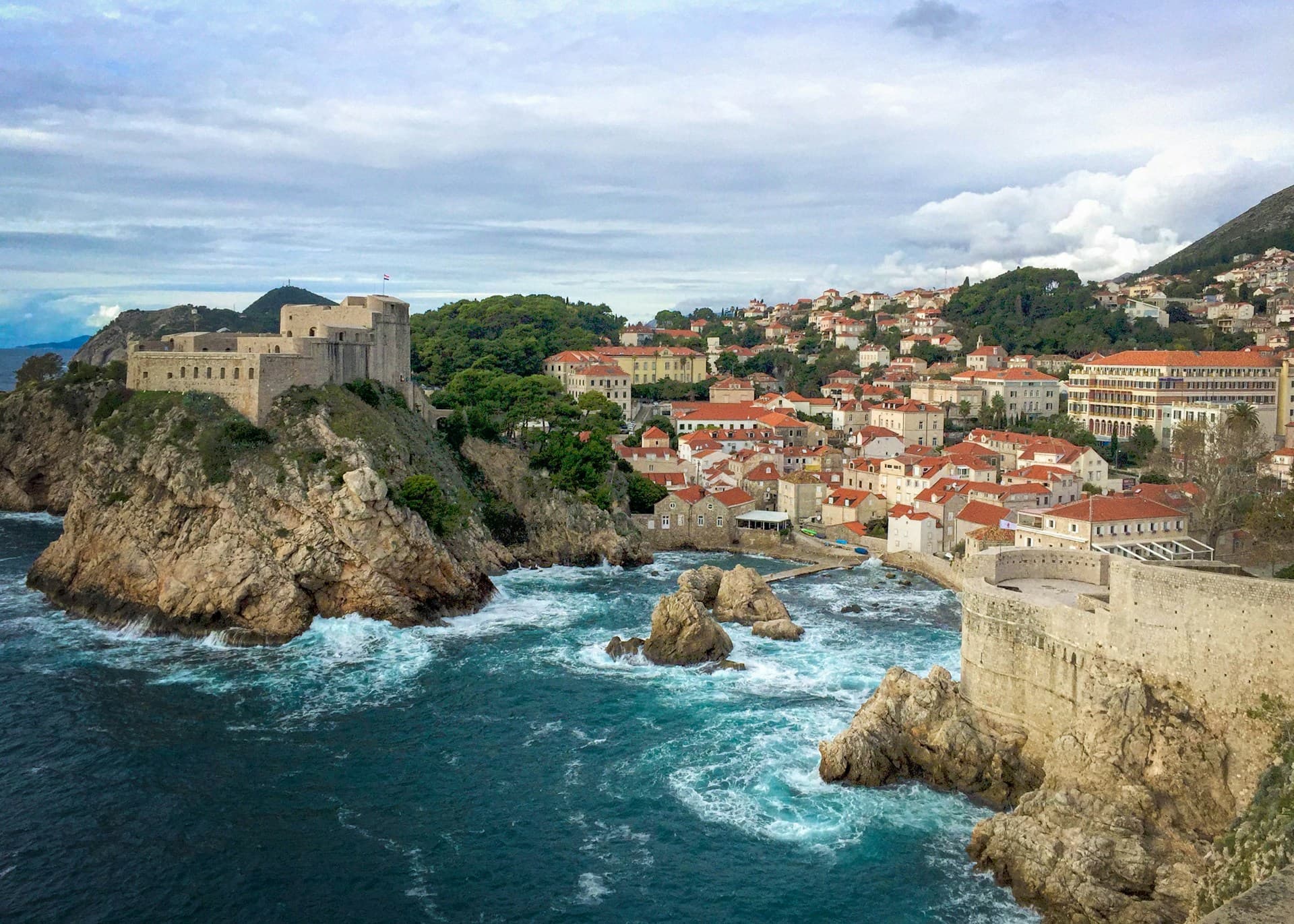
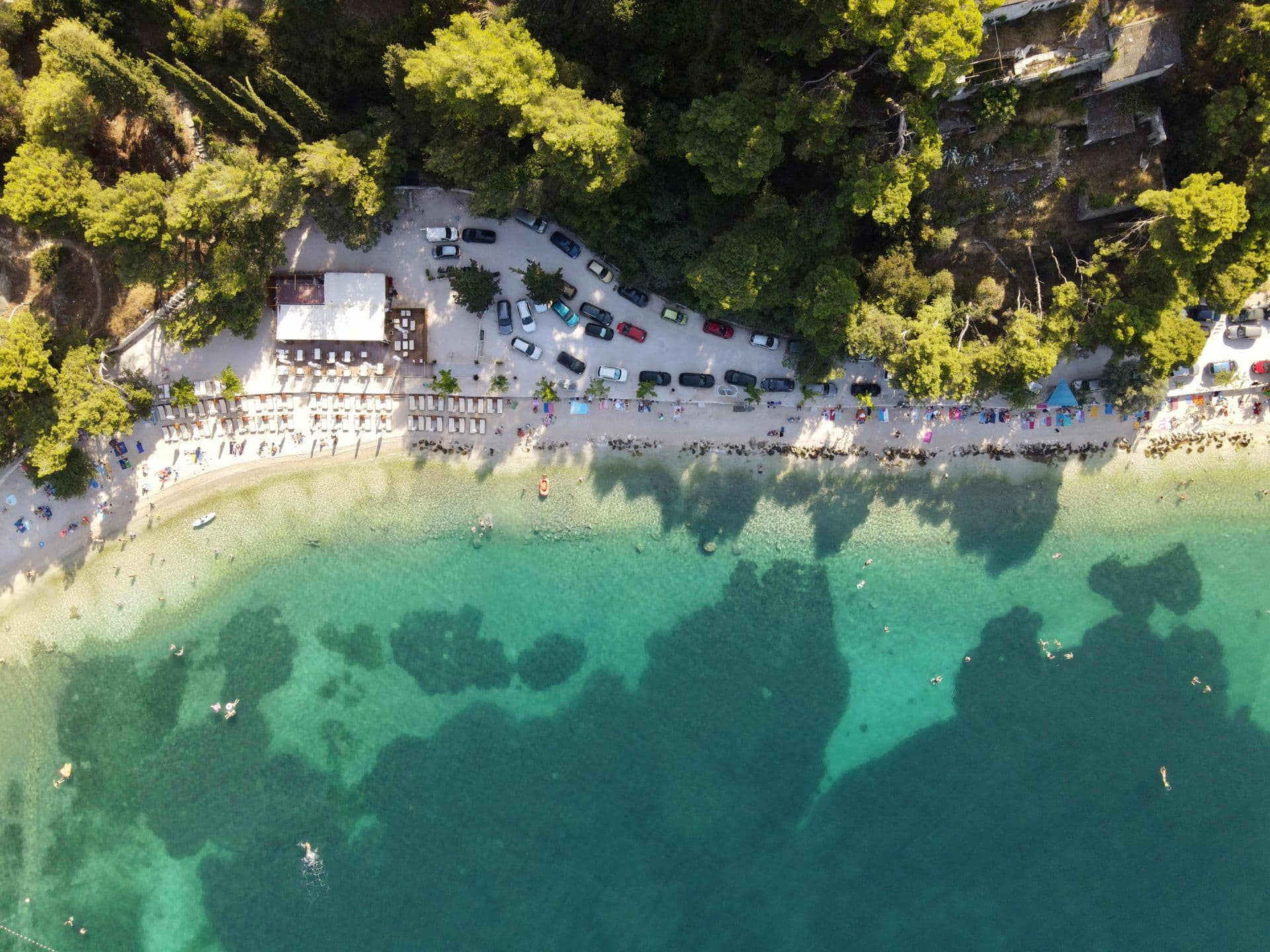
If your trip ends south, you can drop the car in Dubrovnik instead of driving back; plenty of the suppliers here allow it for a fixed fee that shows before you book. And the Split to Dubrovnik coast drive is worth planning properly: fuel stops, timing, and the swimming coves the buses skip.
Before you book
If you land at Split Airport and head straight down the coast, take the car at arrivals. If you are staying in Split first, book a city handover for the day you leave; the old town is pedestrian and the garages are expensive babysitting for a parked car.
Yes, and it is part of the booking rather than a decision at the quay: ferry travel between the islands and the mainland is arranged as you book, so choose it then. In July and August buy the ferry ticket in advance; car deck space sells out before foot passenger space does.
Use the garages on the old-town rim (Sukoisanska side) or your accommodation's spot, and arrive before mid-morning in peak season. Street spots near the Riva are scarce and enforcement is quick.
Many Split suppliers allow one-way rentals within Croatia for a fixed fee that shows on the listing before you pay. Split to Dubrovnik and Split to Zagreb are the two most common routes.
The A1 starts about twenty minutes from the Riva and is tolled, so you take a ticket at the entry booth and pay by card or cash where you exit; there is no national road vignette in Croatia. The coastal roads through Omis and Makarska are toll-free if you would rather drive the scenic way.
Usually yes, and it is chosen as you book rather than arranged afterwards: add the cross-border option and name the countries at that point. Conditions vary by car and by supplier and some restrict certain destinations, so read the listing's cross-border terms, and allow a little extra time at the crossings in peak season.