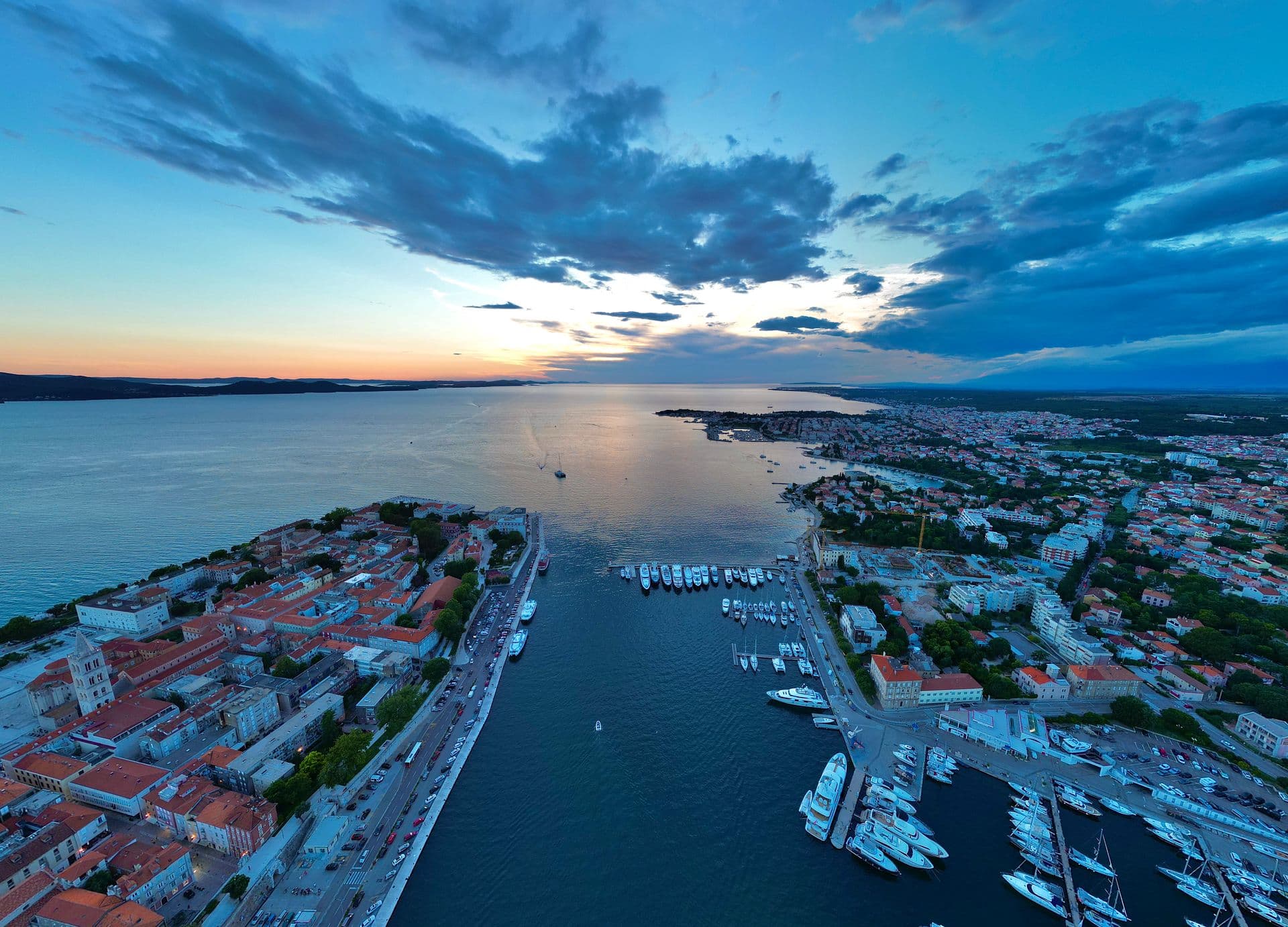
Zadar Airport (ZAD) · Zemunik, 15 minutes from the riva
Rent a car at Zadar Airport
No hidden feesNo depositFree cancellation
61 cars live at Zadar Airport nowfrom €39/daydeposits shown up front
Zadar Airport (ZAD) · Zemunik, 15 minutes from the riva
61 cars live at Zadar Airport nowfrom €39/daydeposits shown up front
Featured cars
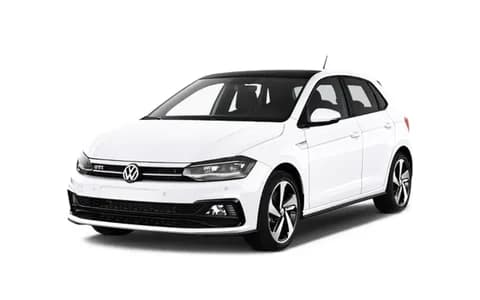
Volkswagen Polo
5 seatsManual2022
from €39/daytoday's cheapest in this class
Check availability →
Volkswagen T-Roc
5 seatsManual2022
from €47/daytoday's cheapest in this class
Check availability →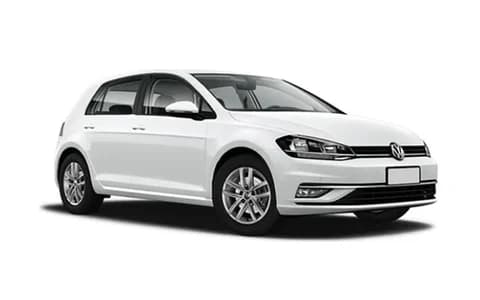
Volkswagen Golf
5 seatsAutomatic2022
from €59/daytoday's cheapest in this class
Check availability →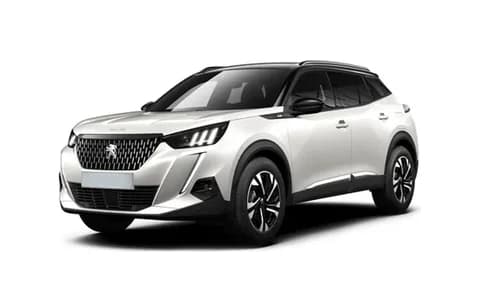
Peugeot 2008
5 seatsAutomatic2022
from €61/daytoday's cheapest in this class
Check availability →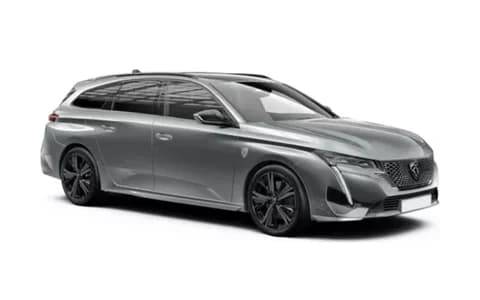
Peugeot 308 SW
5 seatsManual2022
from €64/daytoday's cheapest in this class
Check availability →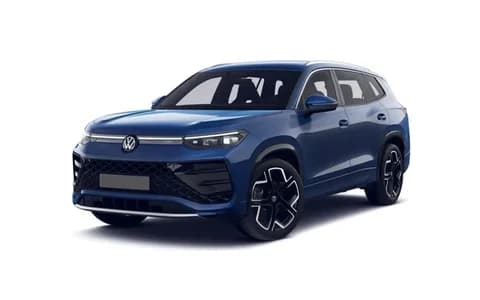
Volkswagen Tayron
7 seatsManual2025
from €64/daytoday's cheapest in this class
Check availability →One featured car from each class we list, not our full fleet. Live prices refresh through the day and move with the season. Your exact car and total show on the next step.
Drag or swipe for more cars →On the ground
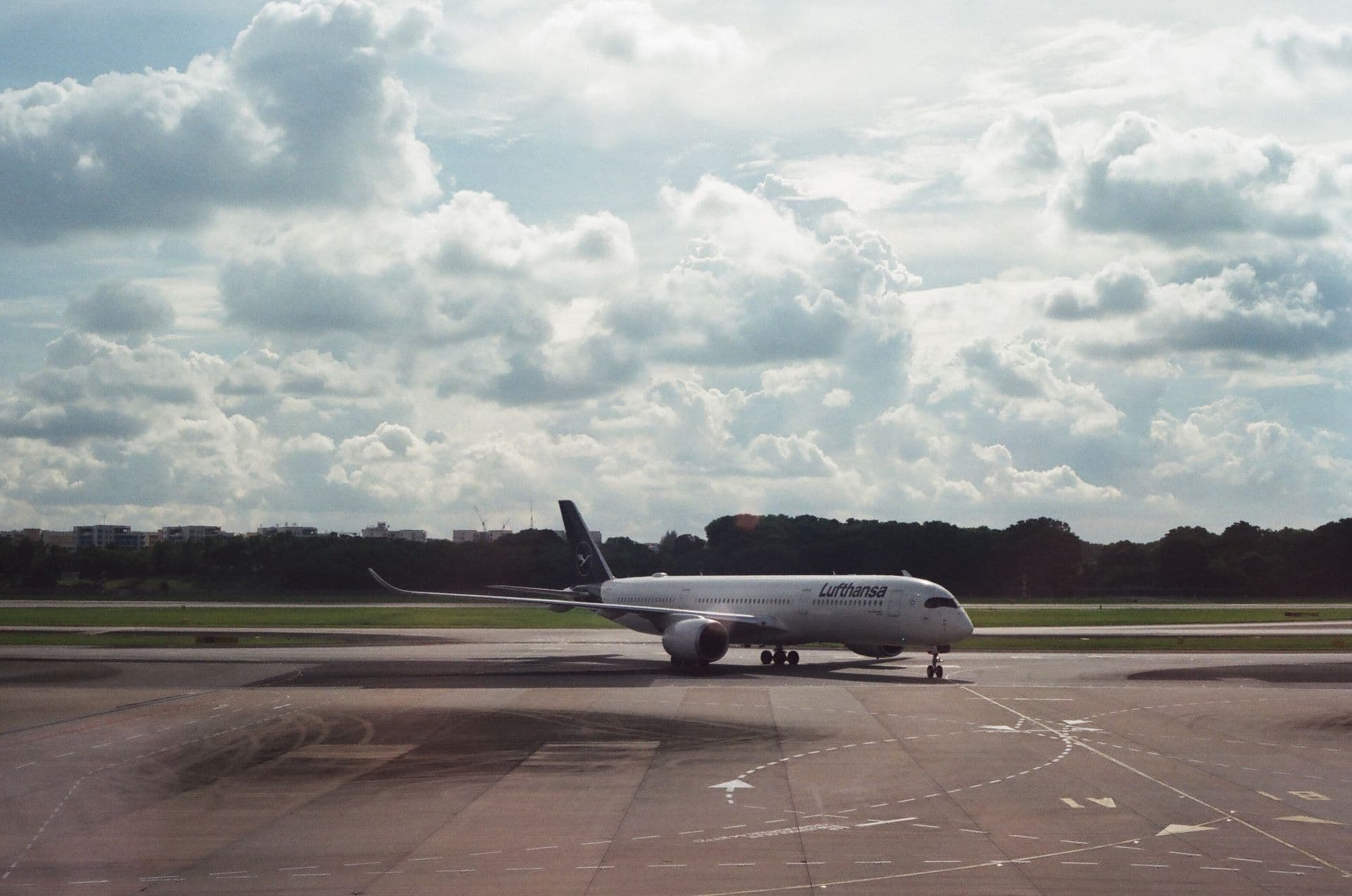
Zadar Airport is the smallest of Croatia's main four, and for a renter that is the whole appeal. One compact terminal, a short walk from belt to door, and the supplier standing at it with a name board; on a normal day you are driving out of Zemunik within fifteen minutes of touchdown. The budget routes that made Zadar the cheap way into Dalmatia also made fast, informal handovers the local standard.
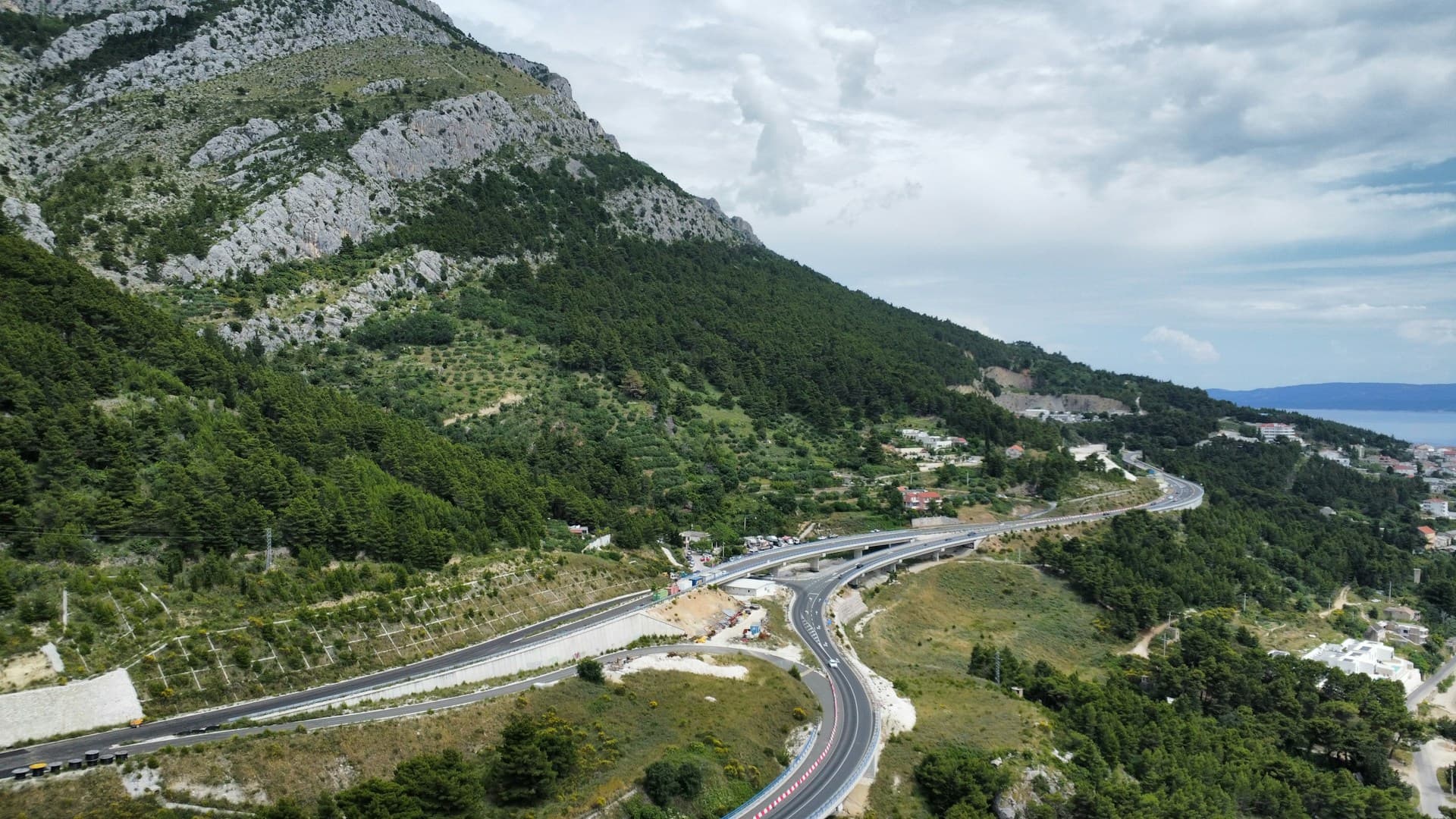
First time on Croatian roads? The basics are friendly here: the A1 is under ten minutes inland from the terminal, tolls are ticket-based, and card payments work everywhere that matters. Croatian roads, tolls and fuel explained covers the rest, and ten minutes with it on the plane saves the usual first-day surprises.
The airport sits twelve kilometres inland, so town is a fifteen-minute run. If you would rather walk the peninsula car-free for a few days first, you can rent a car in Zadar town instead. But most people take the keys at the terminal and point the car somewhere immediately: Nin's beaches are twenty-five minutes, Plitvice is under an hour and a half, and the Gazenica ferry quay puts Ugljan and Dugi otok a car deck away.
On which car to take, the geography around Zadar pulls two ways. The town and the Ravni Kotari villages want something small: the peninsula is car-free at its tip, the lanes behind the forum are narrow, and the parking nearest the water is the tightest and dearest. The A1 run inland to Plitvice and Lika wants the opposite, because that is an hour and a half of motorway with luggage and it is the one drive where a bigger boot and a quieter cabin earn their keep. Most people are better served by the compact end and a sensible bag, but if the trip is four adults and a week of parks rather than beaches, size up deliberately rather than by accident. Automatics are worth booking early either way; the cheaper automatic classes go first here as everywhere on this coast.
Off-season arrivals are more common at Zadar than at the coastal airports further south, and they change the driving rather than the booking. The coast itself stays mild through the winter, but the climb inland toward Plitvice and the Lika plateau is genuine snow country, and Croatian law requires winter equipment on designated sections from 15 November to 15 April. Local fleets are fitted for the season, so a car collected here in that window comes ready and there is nothing to arrange. What does change is the timing: the inland roads are slower in poor weather, the park entrances keep shorter hours, and an early start is worth more in February than it is in July.
The money side is three lines on whichever listing you pick, and they deserve reading together rather than sorting by the daily rate. The cover is what the supplier's protection includes, the excess is the most you could be asked for if the car comes back damaged, and the deposit is what is held against that excess while you have it. They are set per car and per supplier, so two listings at the same headline price can be very different bookings. How the cover tiers work explains them, and zero-deposit listings remove the hold entirely if a block on your card would be awkward on a longer trip.
One last practical note for the return leg. The terminal is fifteen minutes from town on an ordinary road, but the last fuel stations sit on the edge of Zadar and at Zemunik rather than at the airport itself, so fill up before you make the final turn rather than after. Allow twenty minutes from the centre in August traffic and the handover itself takes a couple of minutes in the car park.
Before you book
Fifteen to twenty minutes from wheels-down is normal outside the biggest Saturday waves. The terminal is compact, the name board is at the exit, and the paperwork happens on the bonnet in the car park. In our experience it is the fastest airport pickup in the country.
No, late arrivals are part of the rhythm here. Put the flight number on the booking so the supplier tracks it, and read the listing's out-of-hours line since some firms add a small night fee late on. The drive into town takes the same fifteen minutes at midnight, just with emptier roads.
Yes, and it is a good move: the park is about an hour and 25 minutes north, and starting from the terminal means you skip town traffic entirely. Land early, walk the lakes in the afternoon lull, then carry on to your accommodation. In summer, book the park's timed entry online before you travel.
Wherever your trip actually ends. Flying home from Zadar makes the airport return the clean choice. If you finish in another city, or fly out of Split or Zagreb instead, that is a one-way question: plenty of suppliers here allow it, with the drop fee printed on the listing before you book.
Yes. Croatian law requires winter equipment on designated stretches from 15 November to 15 April, and local fleets are fitted for the season, so a car collected here in that window comes ready. The coast stays mild most days, but the inland climb toward Plitvice and Lika can see snow, so it matters more than the seafront suggests.
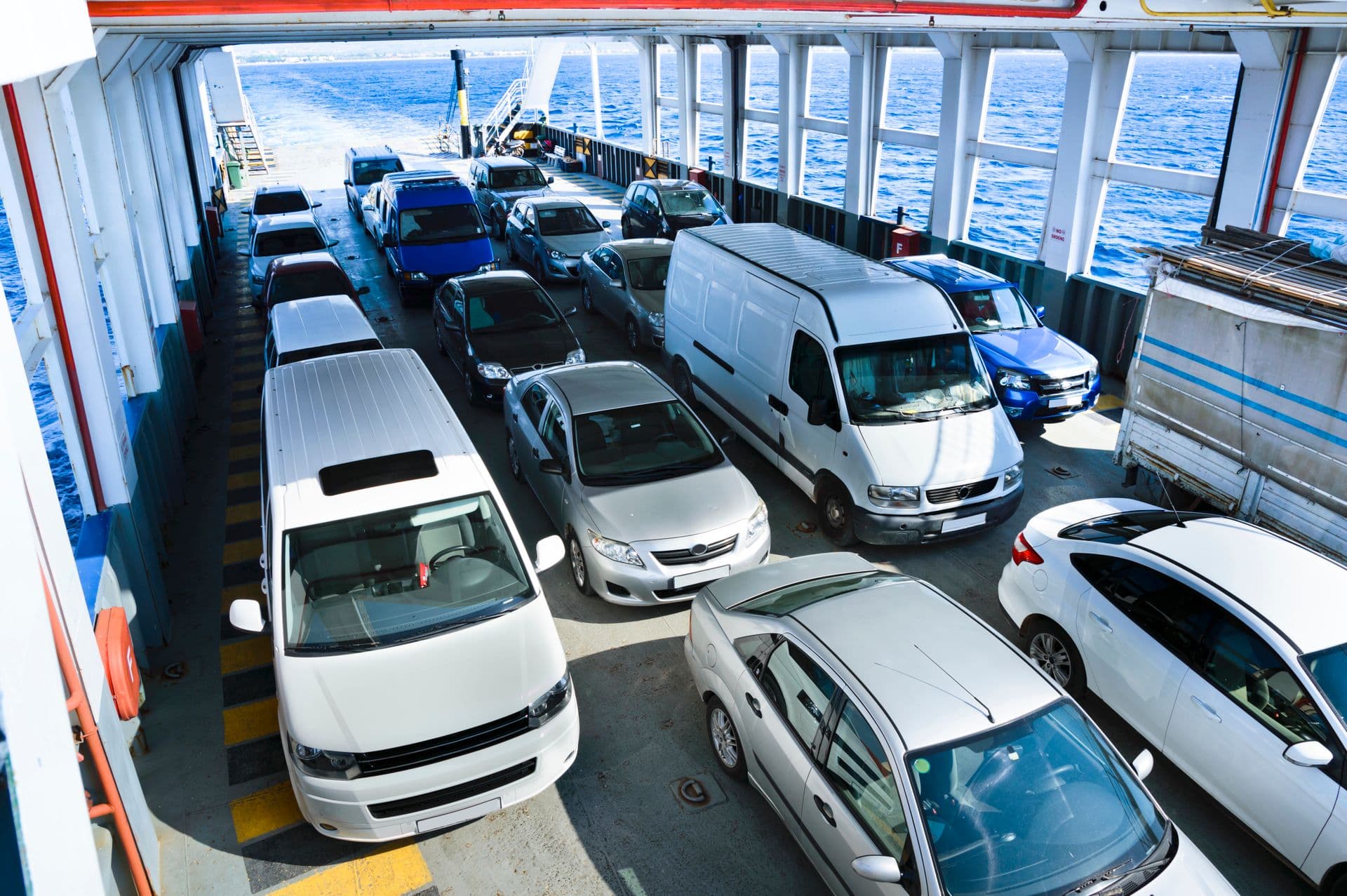
Yes. The Gazenica ferry quay is a short drive from the airport and its car decks carry vehicles as well as foot passengers. Ferry travel between the islands and the mainland is arranged as part of the booking, so choose it as you book rather than deciding at the quay, and buy the vehicle fare at the quay itself. Give your island plans when you book, and in July and August arrive early for the busy sailings, since car space fills first.